
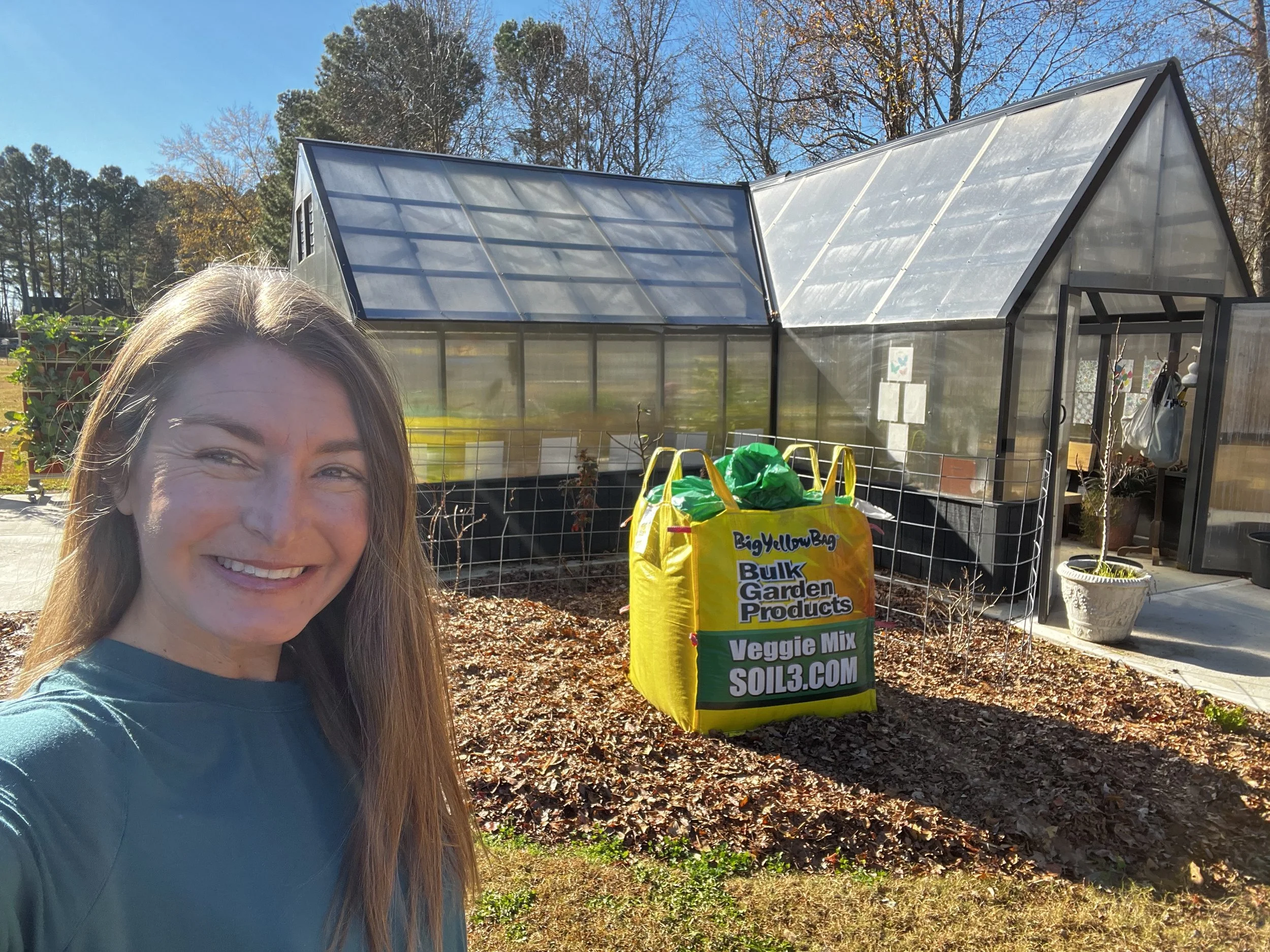
Winter gardening in the Southeast is often overlooked, but it may just be the best season of all. While much of the country is frozen and dormant, our mild temperatures and workable soils create ideal conditions for planting, growing, and improving the garden. Cool-season vegetables thrive, many ornamentals stay active, and weeds, yes, those unwanted, vigorous plants reveal exactly where our attention is needed. With fewer pests, slower growth, and clearer structure in the landscape, winter offers a rare opportunity to work with nature instead of racing against it. A little intentional effort now pays off with healthier plants, fewer problems, and a stronger start when spring arrives. Here are my best tips for winter gardening success in the Southeast.
Leave the Leaves: It is literally the same word, so why do so many people waste nature's greatest gift? Use them as a topdressing, just like wood mulch to insulate tender plants, improve soil structure, and support healthy microbial activity as they break down. Skip the blower, just mow the leaves so they are shredded, add them to your beds, and let your garden reap the long-term benefits. Need more instructions? CLICK HERE AND WATCH THIS VIDEO
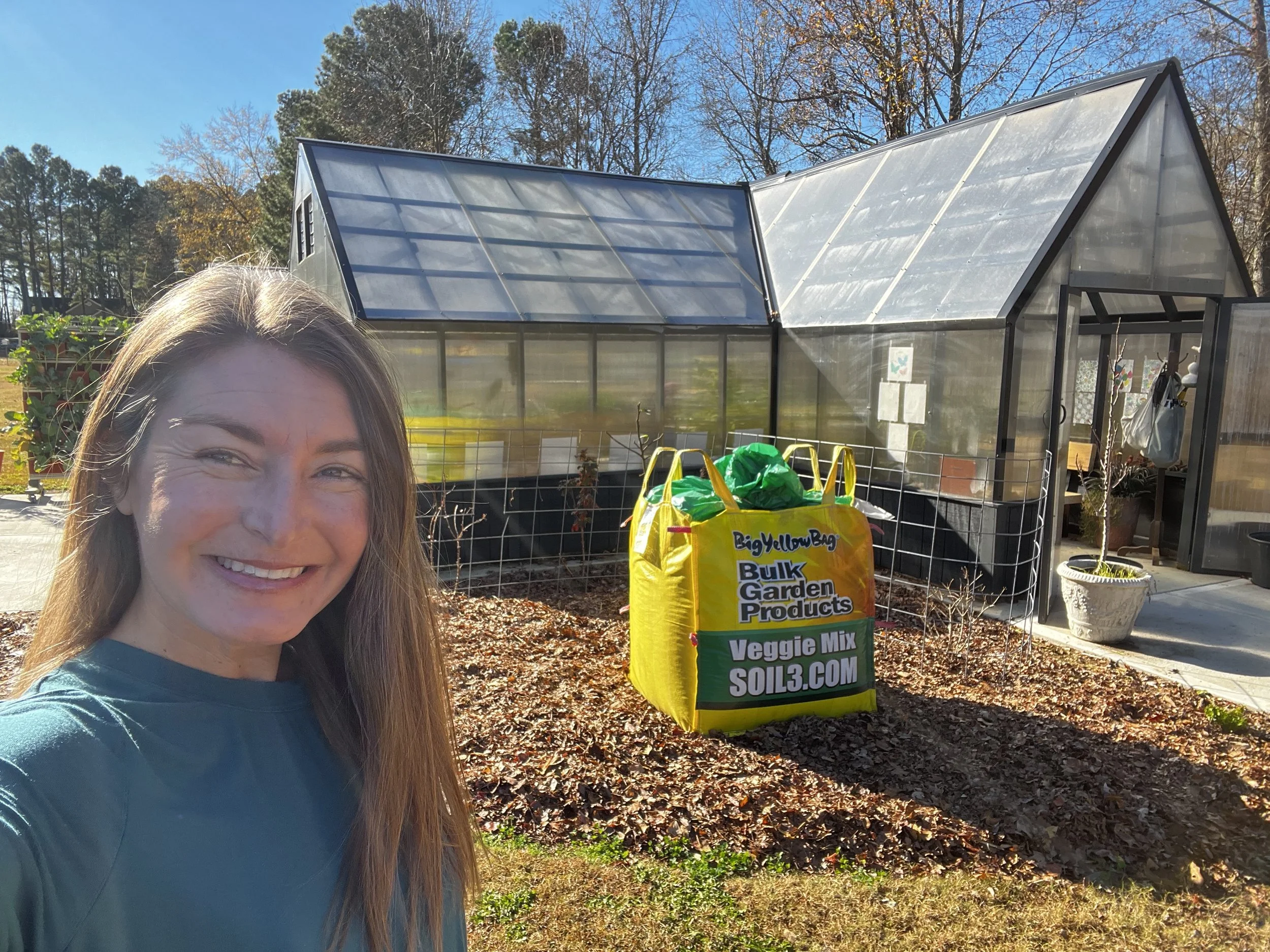
Add ground leaves to your garden beds to add organic matter. These will break down over the course of winter.
Winter Pruning: With foliage mostly gone and branch structure fully visible, winter is the perfect season to prune deciduous trees and shrubs. Wait until leaves have completely dropped, then shape as needed. Cooler weather also means reduced pest and disease pressure, making this the most forgiving time to prune.
Seasonal Planting: Late fall through winter is ideal for planting trees, shrubs, perennials, and spring bulbs such as daffodils and tulips. I usually tuck mine in between Thanksgiving and New Year’s once frost has cleared out the summer growth. Daffodils remain my top pick for reliability and deer resistance, but I love to add tulips to my container gardens, that way the voles can't eat the bulbs! WATCH THIS VIDEO TO SEE HOW I INCORPORATE TULIPS AND SEED INTO MY WINTER CONTAINERS
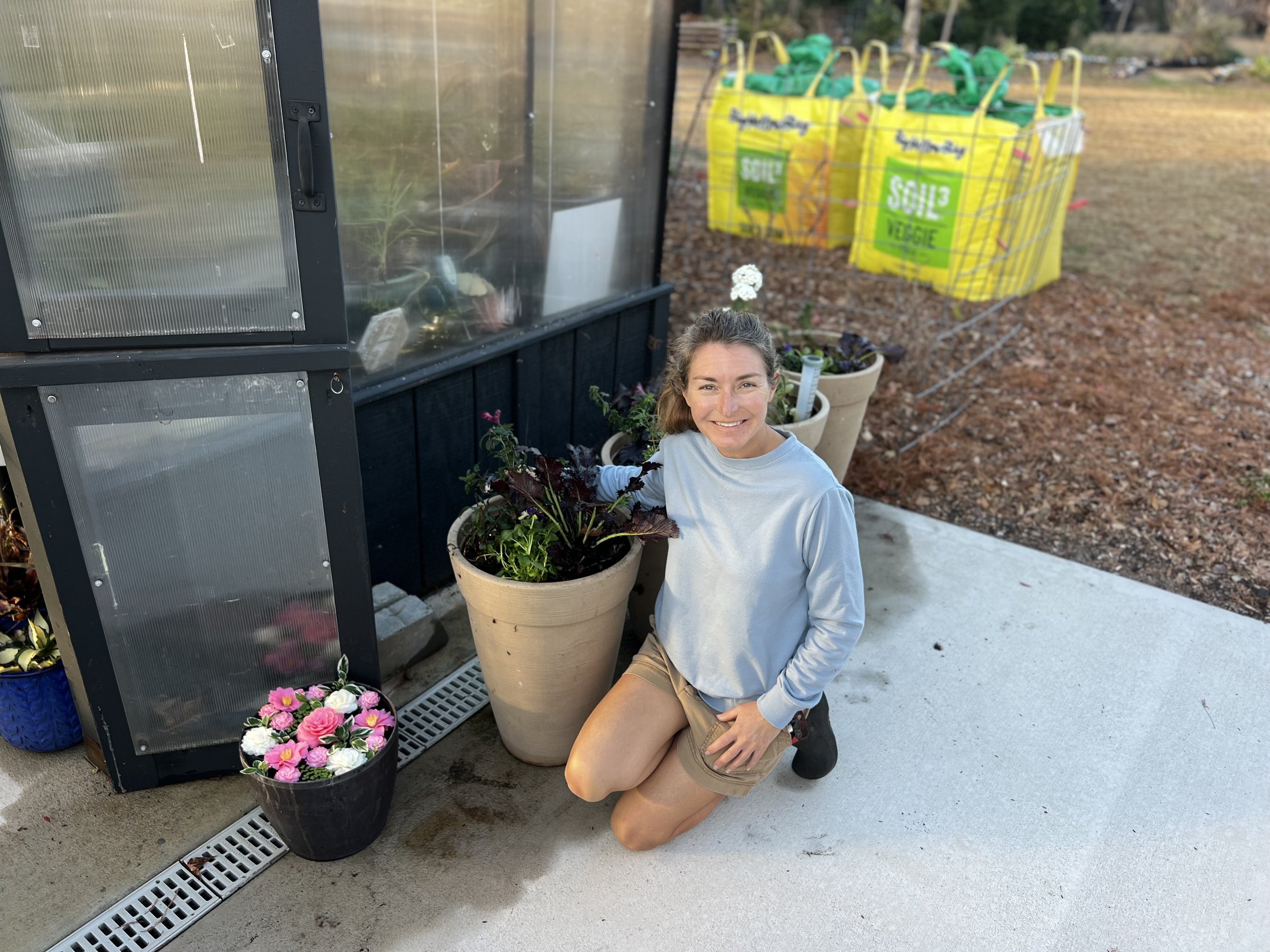
Hold on the Fertilizer till Spring: My go-to routine is adding a slow-release, organic fertilizer in late February as plants gear up for spring growth. Look for NPK ratios under 10 (a 6-4-5 blend is great). Fox Farm Happy Frog Organic 6-5-4 Fertilizer has become my favorite for both in ground plantings and container gardening. Avoid fertilizing too early as tender new growth is frost-prone, and excess nitrogen just feeds winter weeds.
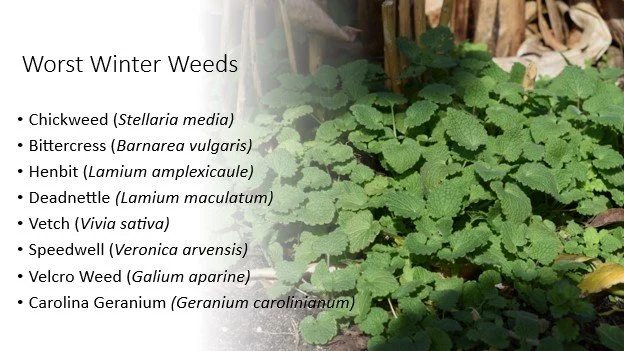
Winter Weeding: The task that never ends! Winter weeds can be surprisingly aggressive! Chickweed, hairy bittercress, henbit, crown vetch, clover, and wild geranium all thrive in cool weather. Hand removal is most effective, and my favorite tool for the job is a hand pick, which makes quick work of stubborn roots. CLICK HERE FOR A REFERSHER ON WINTER WEED IDENTIFICATION
Winter Seeding: To stay ahead of weeds, I always aim to cover every bit of bare soil with desirable winter-active plants, both edible and ornamental. The strategy is simple and effective: fill the space with what you want, so weeds don’t get a chance. Winter seeding is one of the best tools in a gardener’s toolbox! Leafy greens like mustard, kale, spinach, and chard love cold weather and deliver fresh, homegrown flavor.
These plants thrive in cool growing conditions, which is why I recommend direct seeding them from December through the end of February. In fact, last year, the best results came from gardens seeded on February 7th! Patience pays off when it comes to these beauties.
For some hands-on tips, check out the Brie the Plant Lady YouTube channel, where I walk you through the entire seeding process step by step. I’ll show you exactly how to get these cottage garden favorites started, ensuring your garden thrives come spring!
Let’s get ready for a spectacular season of cool-weather gardening!
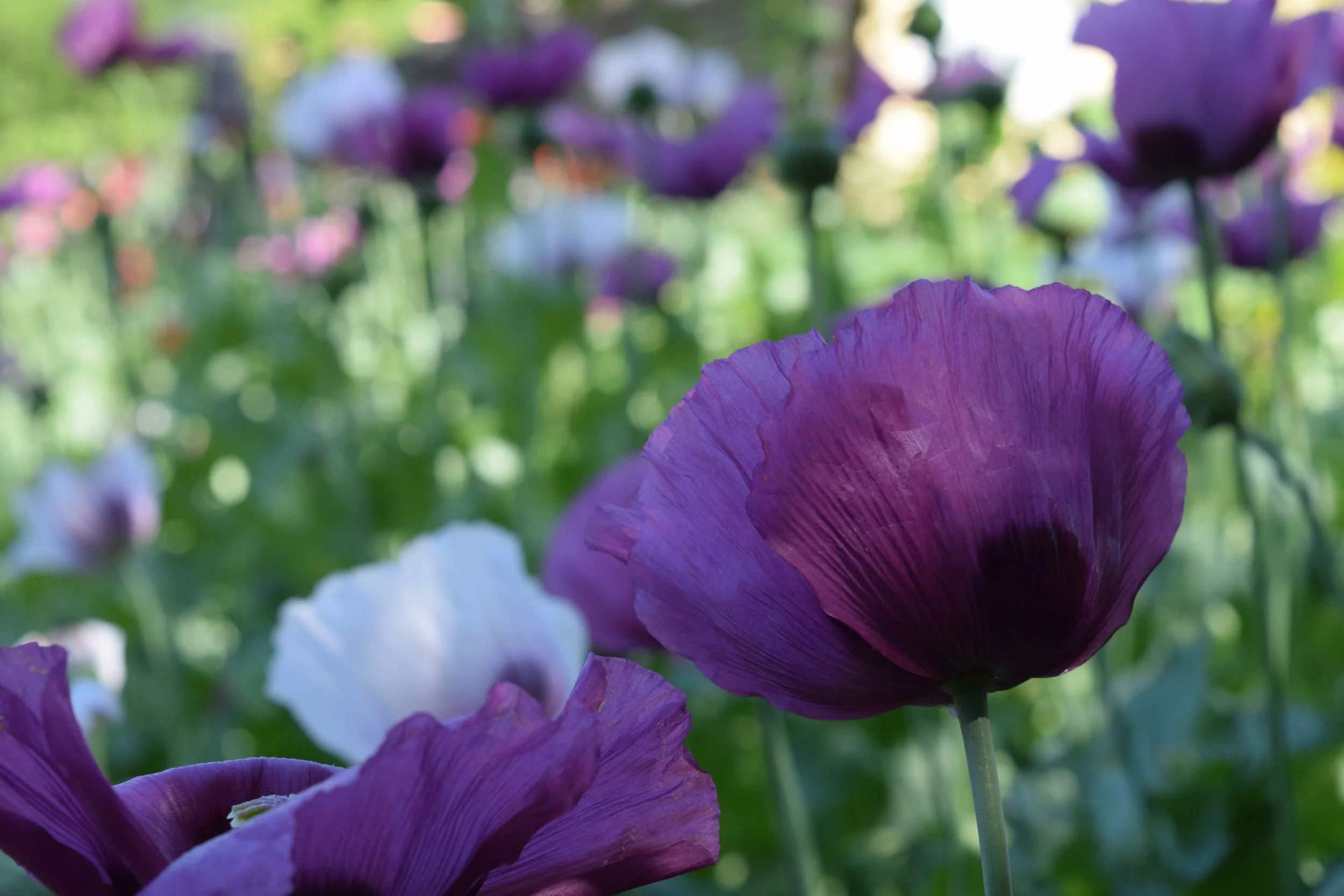
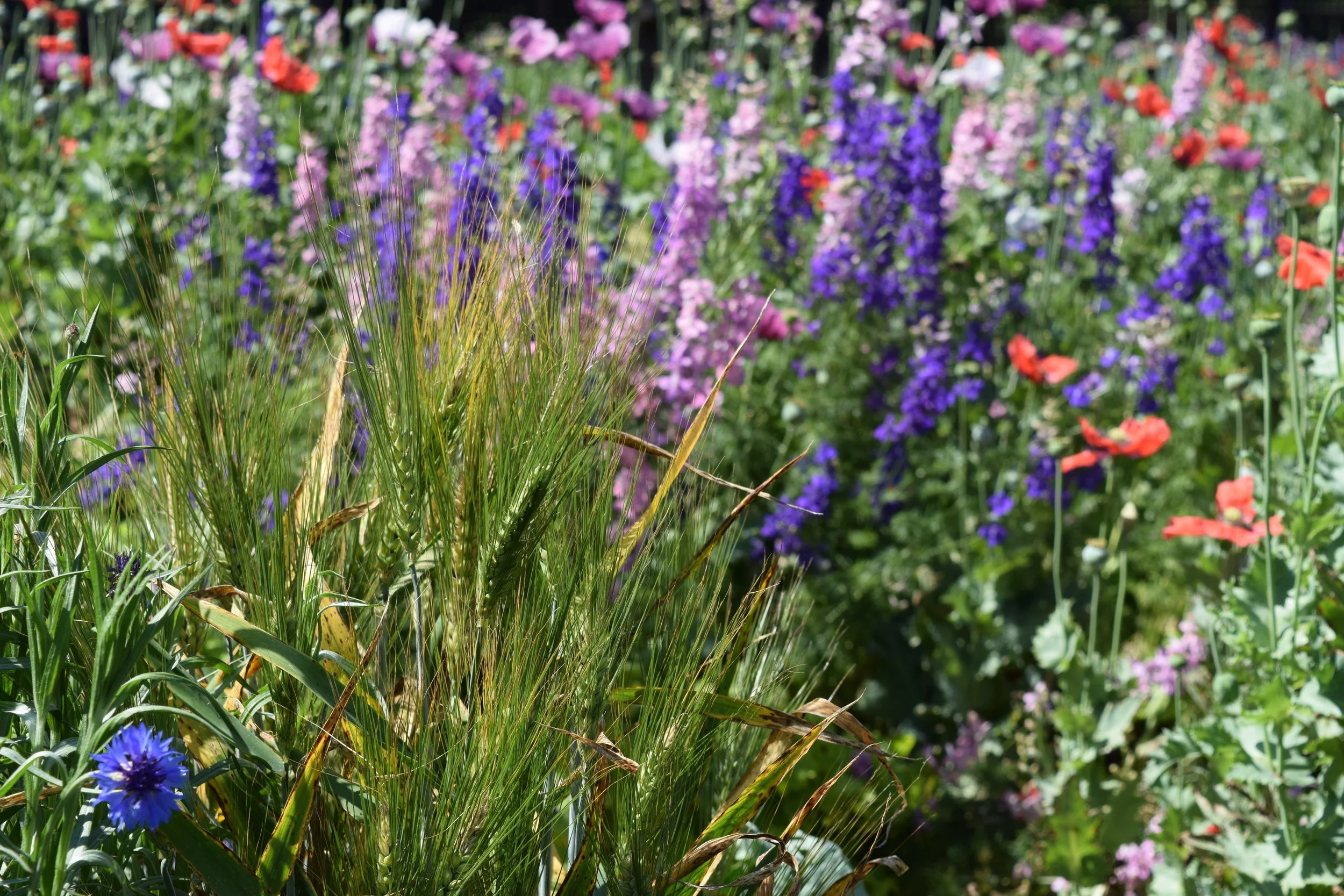
Wait on Poppies: The ground here in central North Carolina is still too warm for seeding cool-season annuals like poppies, larkspur, and bachelor’s buttons, along with grains such as barley, oats, and wheat, as they need cooler soil for best germination and growth. But get your beds prepped now so when it is the right time you will be ready! Have no fear, I will share updates once I start direct seeding the cottage gardens. are perfect for winter direct-sowing. WATCH THIS VIDEO TO SEE HOW WE SUCCESSFULLY GROW POPPIES EVERY YEAR!
FLOWERS
Bachelor Buttons
Breadseed Poppies
Calendula
California Poppies
Campion
Carrots
Corn Poppies Mixed Colors
Corn Poppies Red
Fava Beans
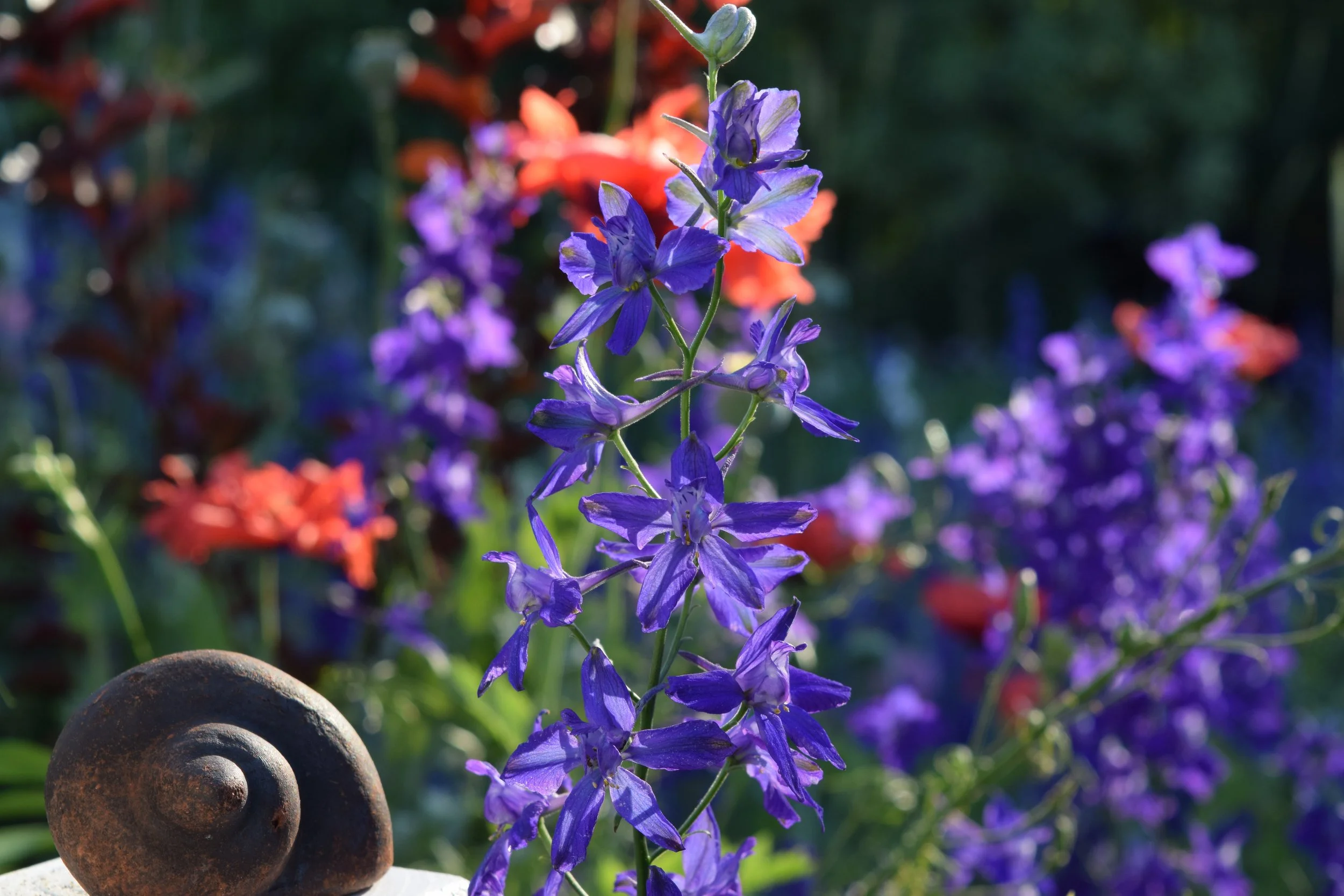
Larkspur
Lunaria
Nigella
SOIL IMPROVING COVER CROPS
Buckwheat
Crimson Clover
Daikon Radish
Purple Top Turnip
GRAINS
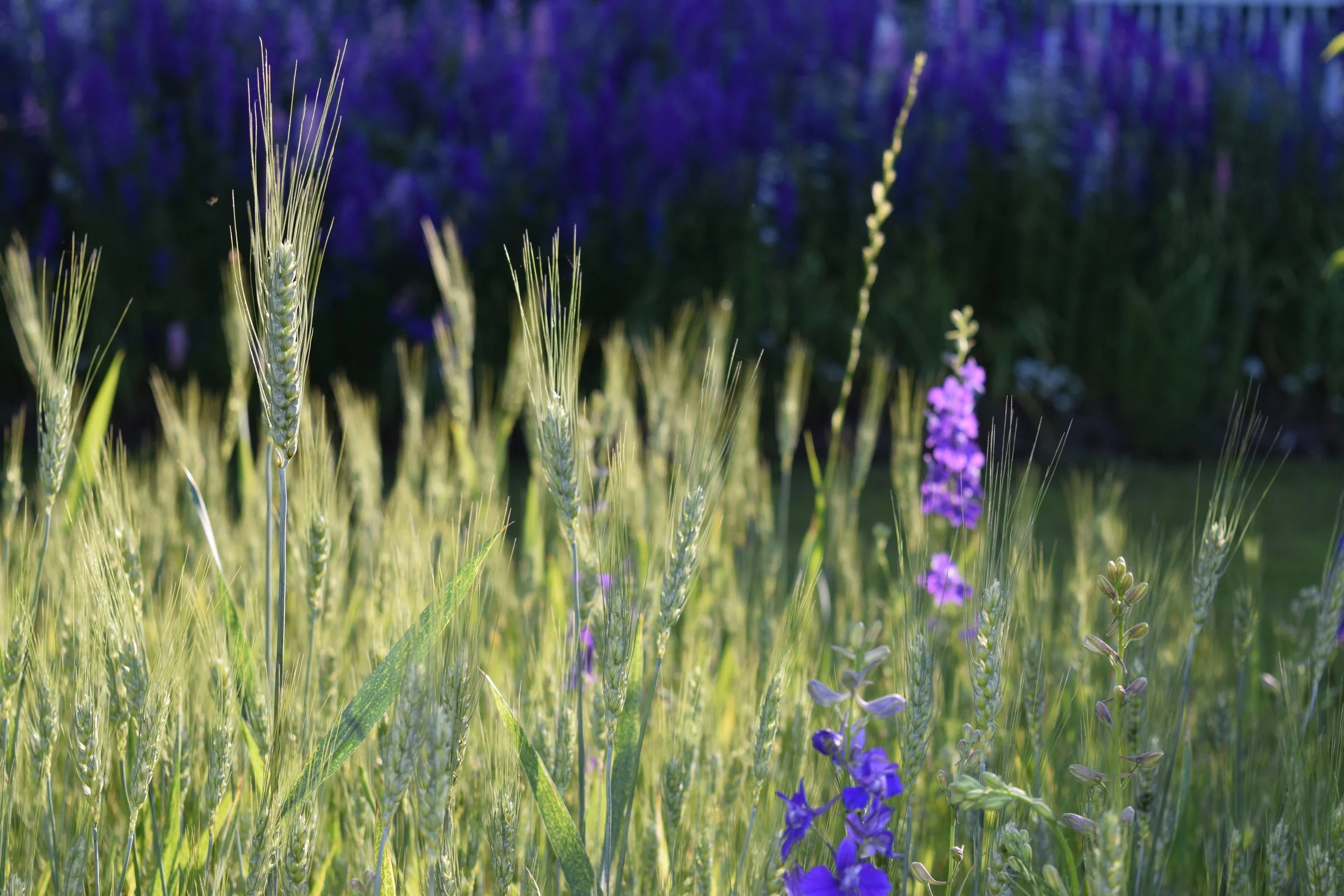
Barley
Oats
Rye
Wheat