
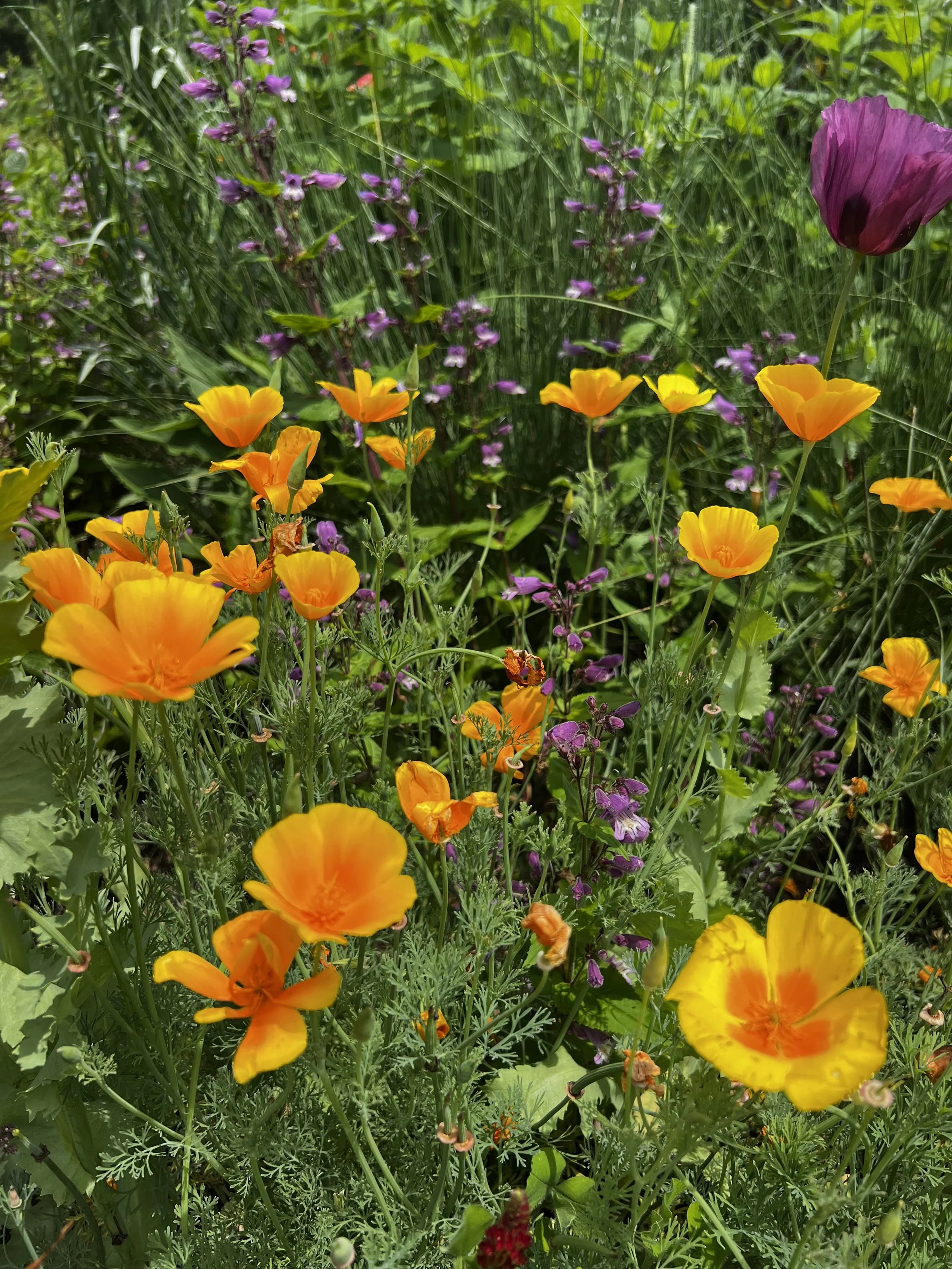
Thank you for making the Spring Open Garden a success!

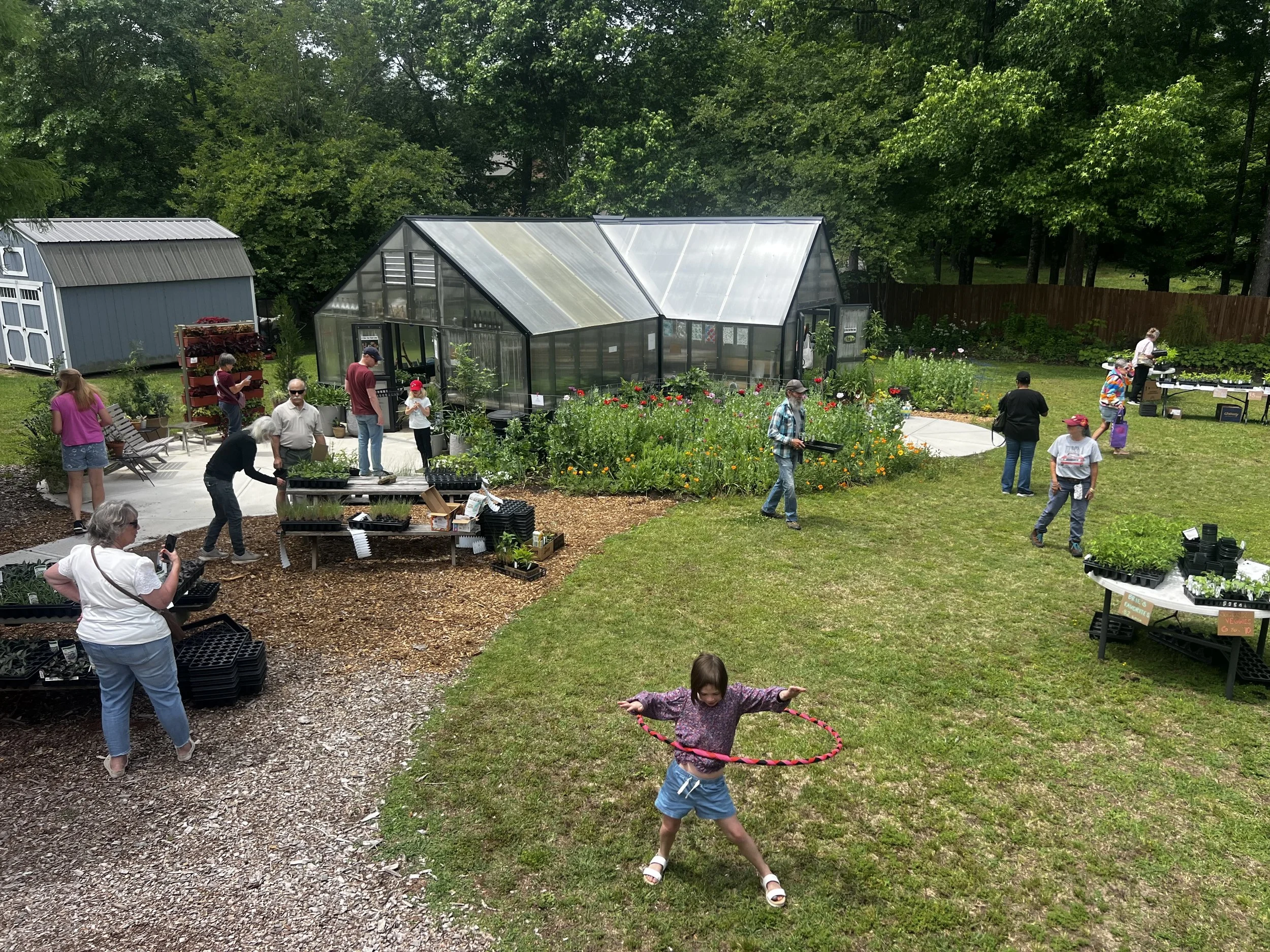

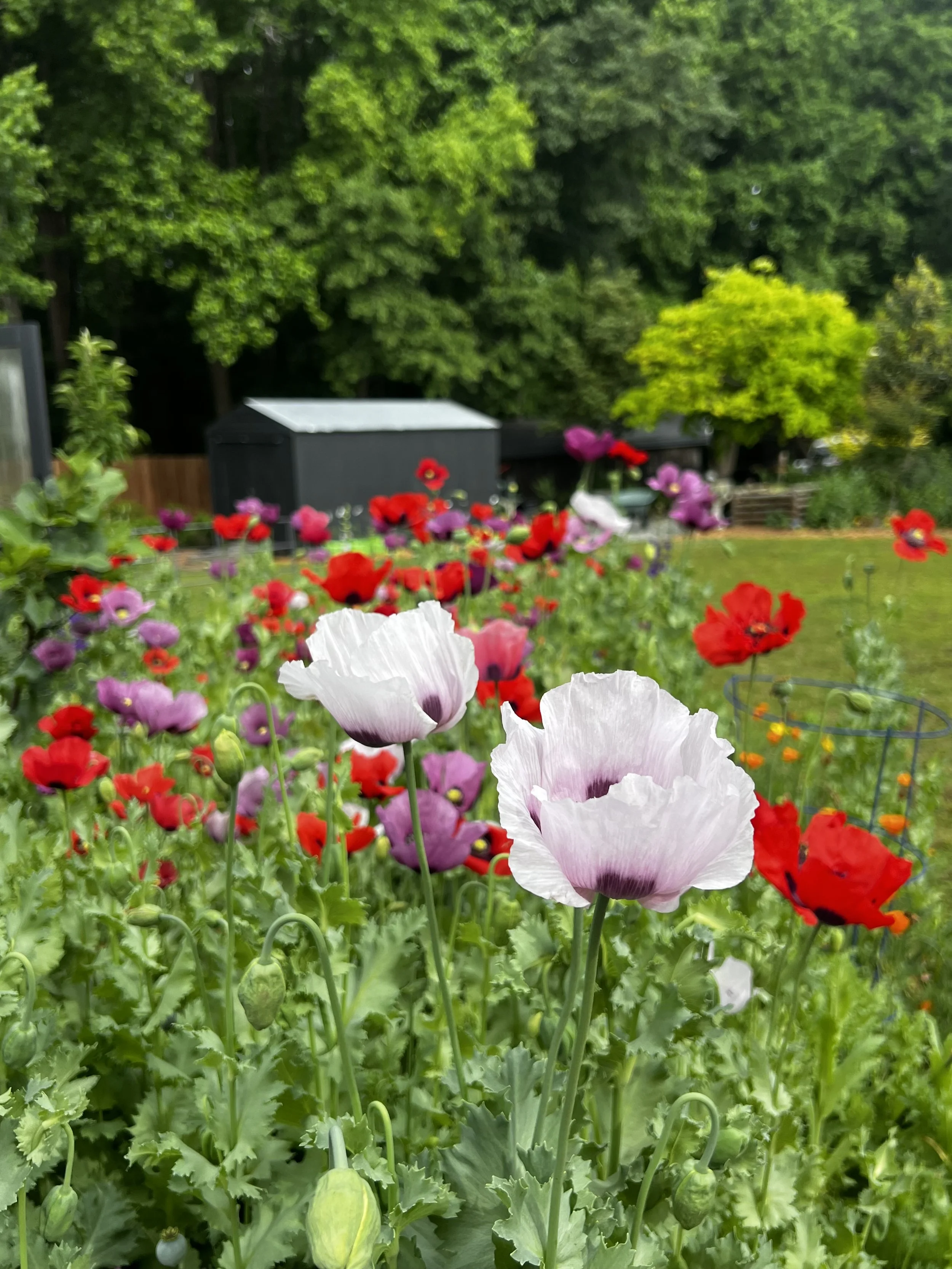
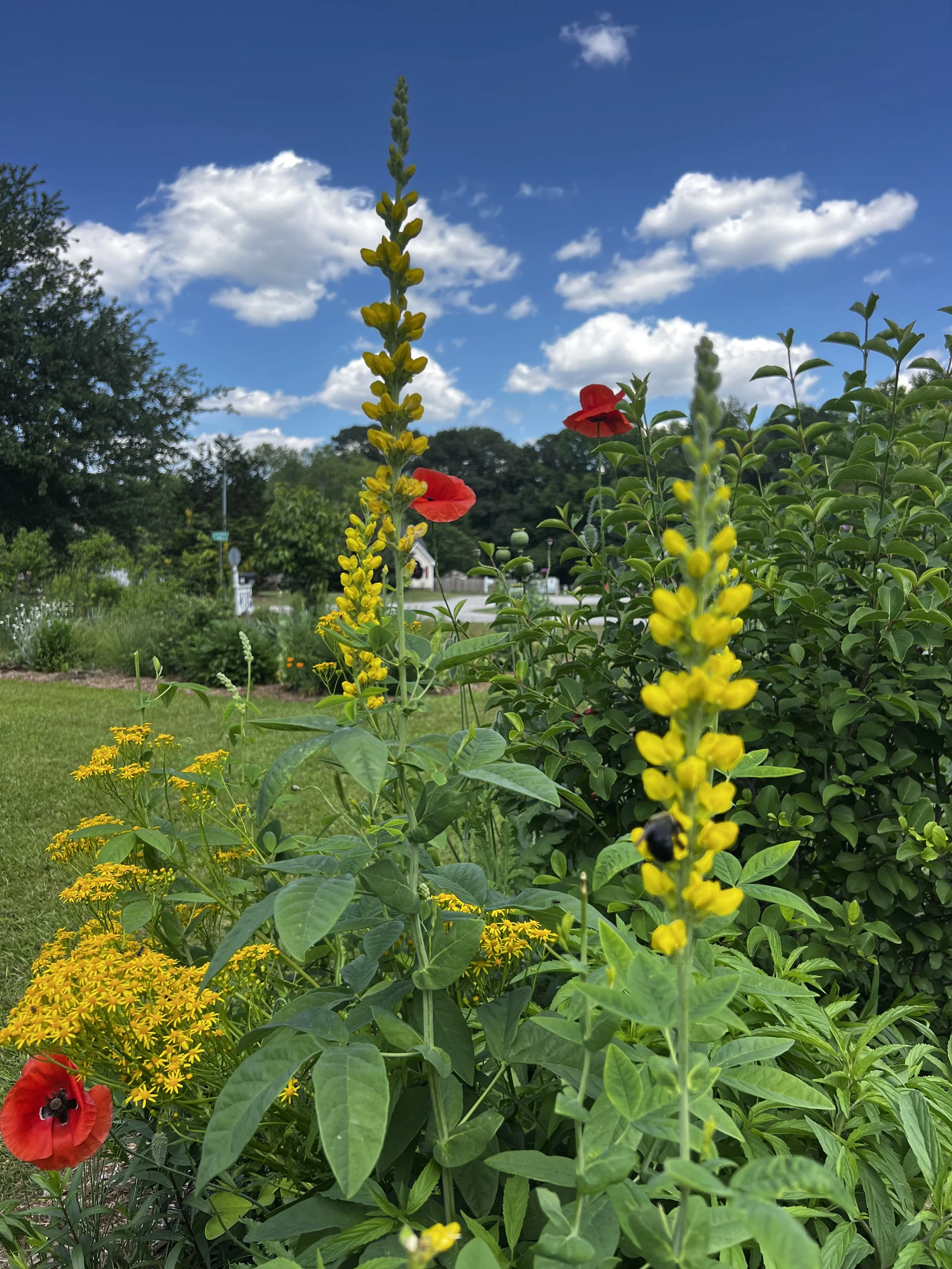


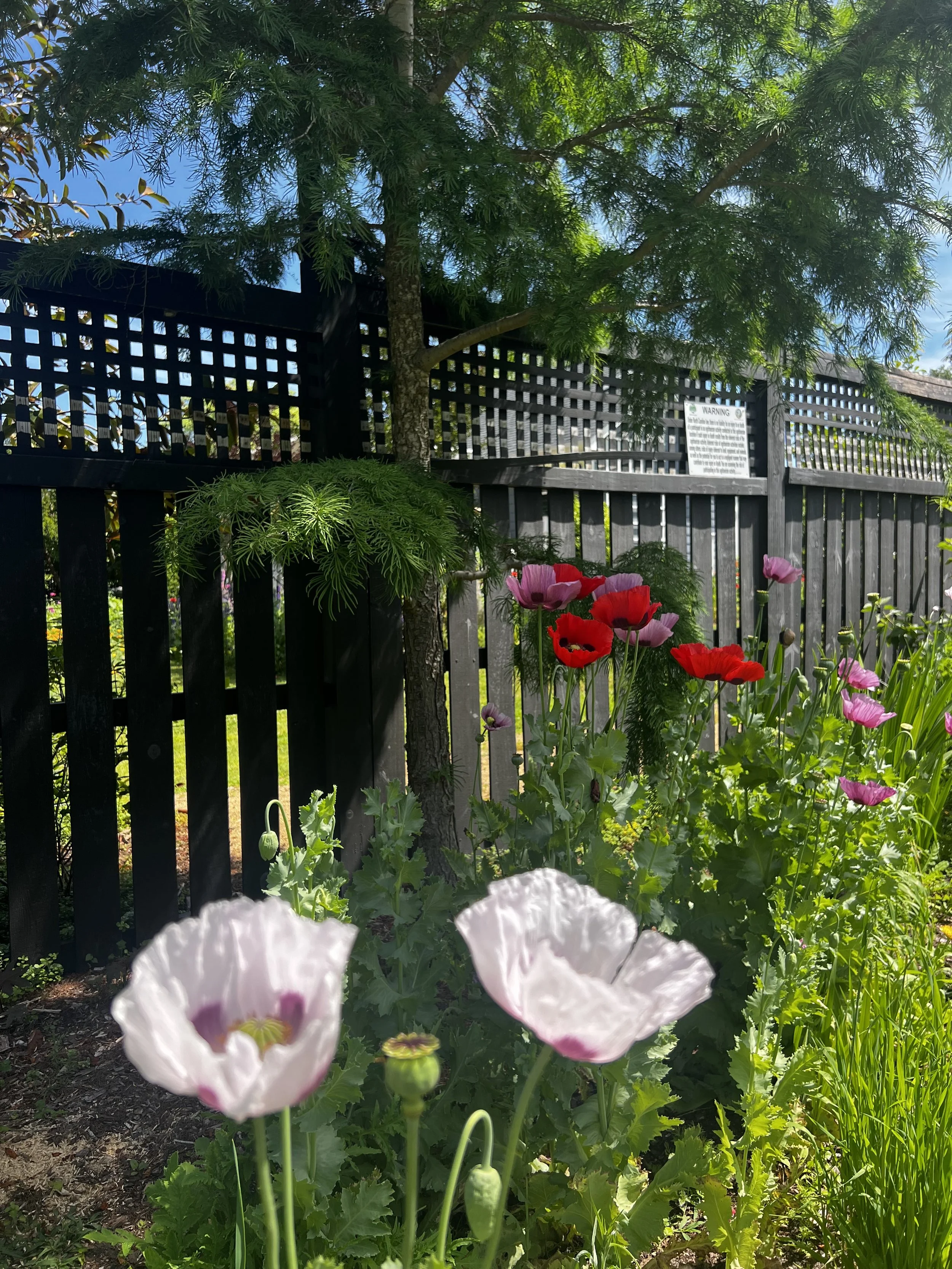
Plant Sale
Native Perennials and Grasses in Landscape Plugs
$5 each; 6 for $20; mix and match tray of 32 for $100
Amsonia tabernaemontana
Helianthus angustifolius
Hibiscus moscheutos
Vernonia noveboracensis
Carex Moon Falls
Carex Ribbon Falls
Carex scaposa
Muhlenbergia capillaris 'White Cloud'
Schizachyrium scoparium
Native Perennials in Pots
$5 small pots; $10 large pots
Boltonia asteroides
Monarda didyma ‘Gardenview Scarlet’
Monarda puncata
Phlox paniculata ‘Bright Eyes’
Prunella vulgaris
Pycnanthemum muticum
Pycnanthemum virginianum
Rudbeckia hirta
Salvia lyrata
Summer Edibles $2 each or 6 for $10
Assorted cucumbers
Assorted eggplant varieties
Assorted heirloom tomatoes
Assorted okra varieties
Assorted peppers
Assorted pumpkins and squash
“Rice” Oryza sativa 'Black Madras'
Mangave $5 each
Assorted Succulents $5 each
Seed Sale $5 per pack
Summer Ornamentals
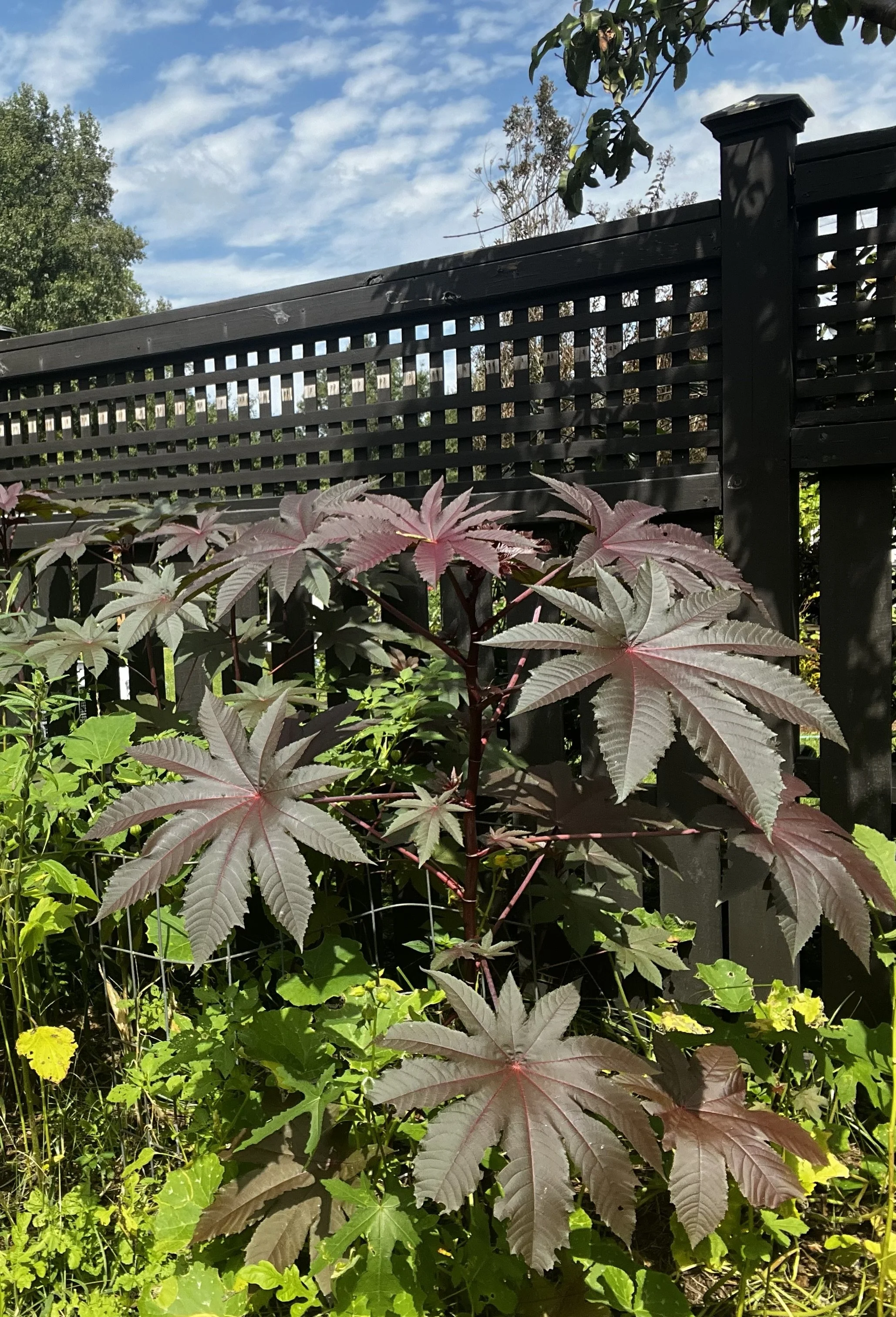
Burgundy Leaf Castor Bean: Ricinus communis is native to tropical regions of eastern Africa, particularly Ethiopia, but has been cultivated and naturalized across warm climates worldwide for thousands of years. It is one of the oldest known cultivated plants, historically grown for its oil which has been used in medicine, cosmetics, and as a lubricant since ancient Egyptian times. Over centuries, it spread throughout Asia and the tropics, adapting easily to a wide range of environments. Today, it is grown both as an industrial crop and as an ornamental, valued for its rapid growth and dramatic presence in the landscape.
This super dark burgundy leaf castor bean was collected by the late plantsman Alan Galloway in Laos, and offers a bold, architectural foliage. The deep burgundy leaves create instant impact in summer gardens, pairing beautifully with flowering annuals and other tropical species like coleus and elephant ears. These plants grow quickly in warm weather and often reseed freely, returning year after year, making them a striking and low-effort addition to seasonal plantings.
Sun: Full sun for best color and vigorous growth
Soil: Adaptable; prefers well-drained soil with moderate fertility
Water: Moderate; consistent moisture encourages rapid growth
When to Sow: Direct sow after last frost once soil has warmed
Planting: Sow seeds 1–2 inches deep; larger seeds benefit from firm soil contact
Spacing: 2–4 feet apart to accommodate large size
Heat Tolerance: Excellent; thrives in hot summer conditions
Garden Benefit: Provides bold color, height, and tropical texture
Reseeding: Freely self-sows in warm climates, creating naturalized drifts
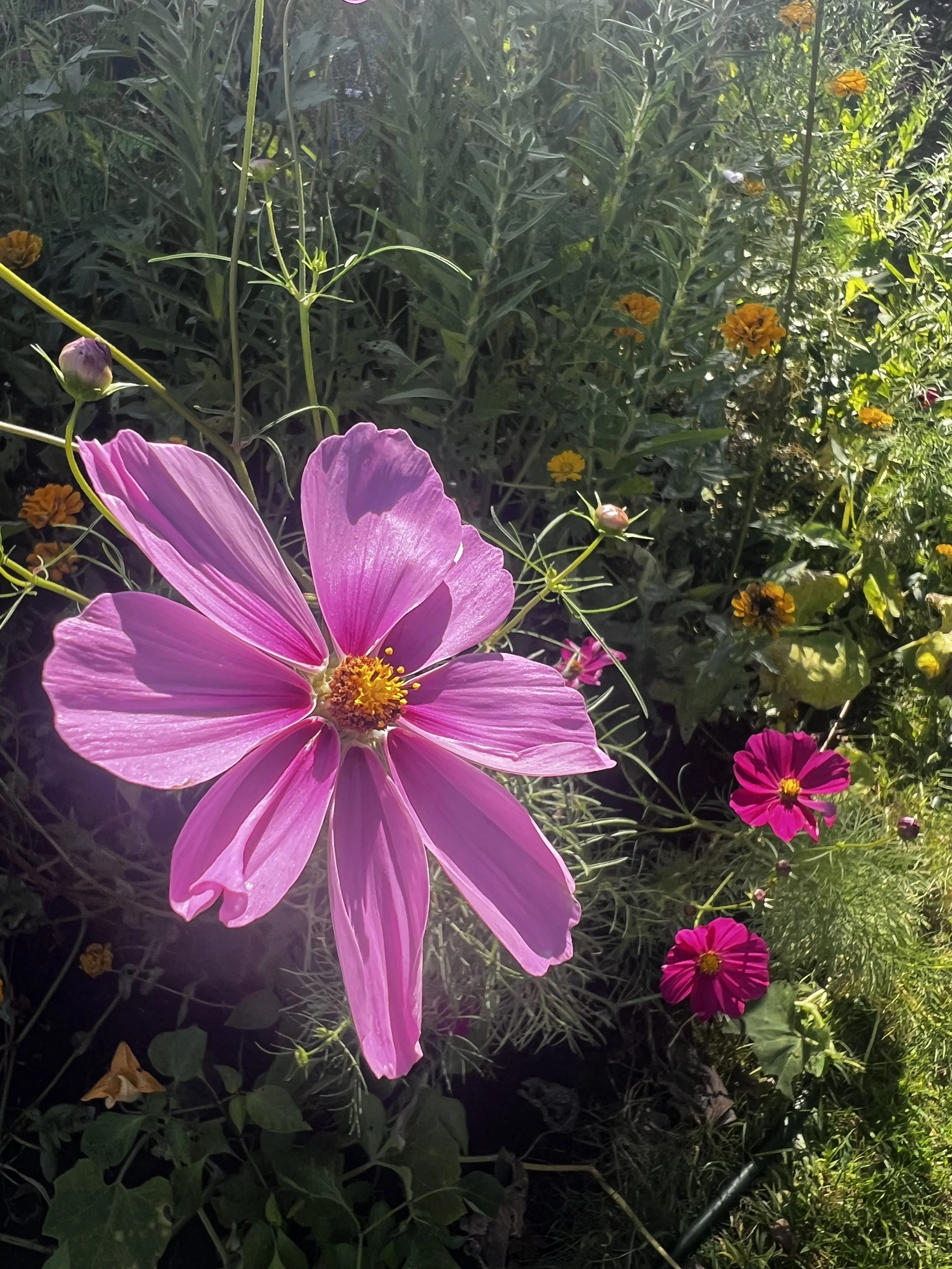
COSMOS: Cosmos bipinnatus is one of the easiest warm-season annuals to grow, offering airy foliage and continuous blooms that attract pollinators all summer long. Perfect for filling gaps in garden beds, cosmos thrive on a bit of neglect and bring a relaxed, cottage-style feel to any planting. Their ability to bloom in less-than-perfect soil makes them ideal for adding color while supporting beneficial insects.
Sun: Full sun for best flowering
Soil: Average to poor, well-drained soil (too rich = fewer blooms)
Water: Low to moderate; drought tolerant once established
When to Sow: Direct sow after last frost in spring; can reseed through summer
Planting: Scatter seed lightly and press into soil surface (needs light to germinate)
Spacing: Thin to 10–12 inches for airflow and fuller plants
Heat Tolerance: Excellent; thrives in summer heat
Garden Benefit: Attracts pollinators and beneficial insects; long bloom season
Maintenance: Deadhead for continuous blooms or let reseed for naturalized look
Zinnia Mixed Colors: Zinnia elegans are vibrant, easy-to-grow annuals that deliver nonstop color through the hottest months of the year. These zinnia seed are “open-pollinated” meaning the plants are pollinated naturally by insects like butterflies and bees, and the seeds they produce will bloom in a wide array of colors and flower forms. This makes them a sustainable choice for gardeners who enjoy seed saving and building resilient plantings.

Zinnias are truly a must grow in the summer, but to avoid ugly foliage caused by powdery mildew, I recommend doing a second sowing in early- mid July. These plants will establish and start to bloom in early fall, with limited disease pressure. Since the Carolina summer is so long, we have the opportunity to grow two rounds of zinnias through the frost free months!
Sun: Full sun (essential for strong stems and abundant blooms)
Soil: Well-drained soil; tolerates average garden conditions
Water: Moderate; water at the base to prevent foliar diseases
When to Sow: Direct sow after last frost once soil has warmed
Planting: Sow seeds ¼–½ inch deep; easy to scatter or plant in rows
Spacing: 6–12 inches apart depending on variety for airflow
Heat Tolerance: Excellent; thrives in summer heat
Garden Benefit: Attracts pollinators and makes excellent cut flowers
Maintenance: Deadhead and reseed mid July to encourage continuous blooms; good airflow reduces mildew
Summer Cover Crops & Edibles
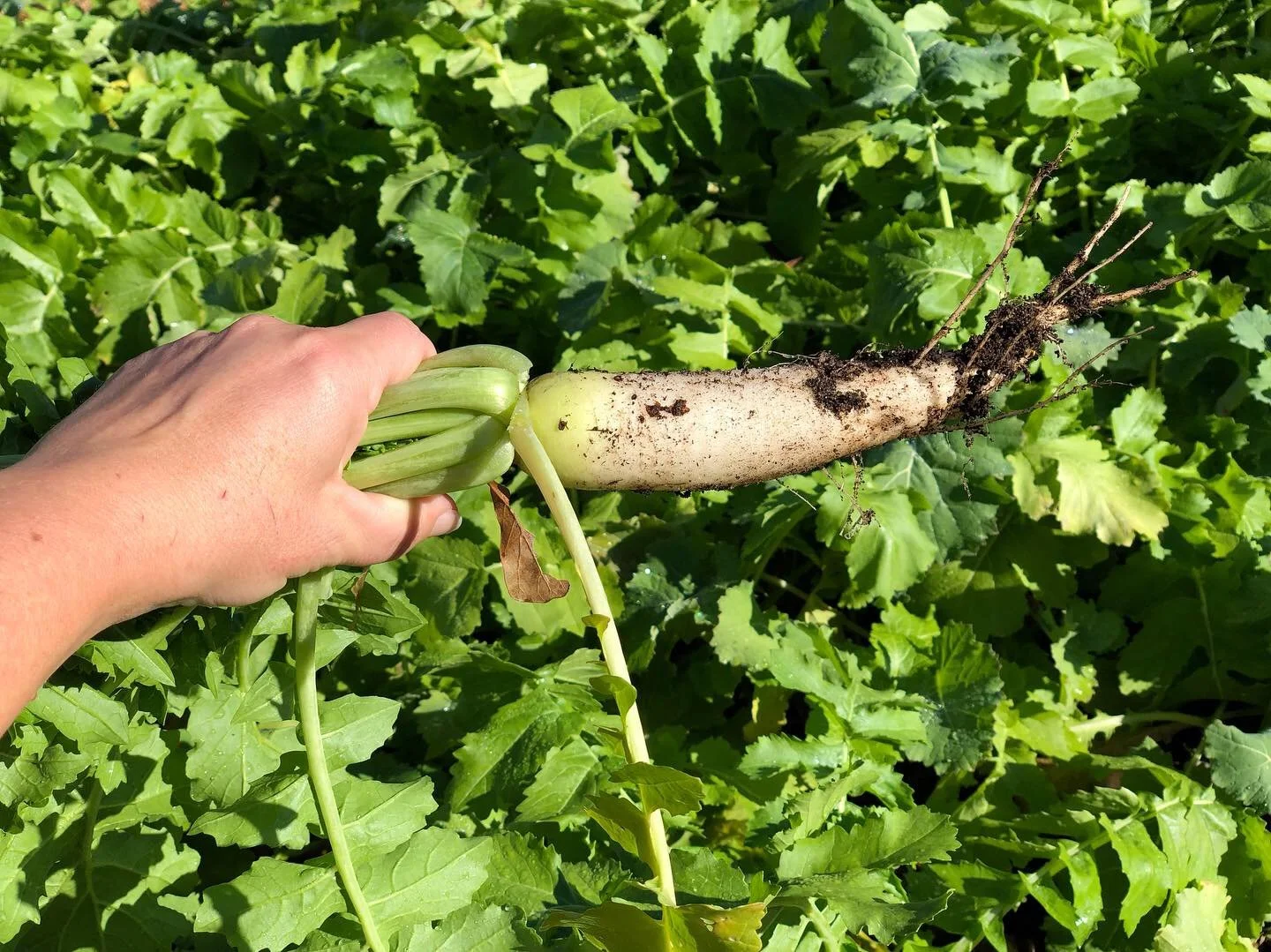
DAIKON RADISH: Raphanus sativus var. longipinnatus is perhaps the most important cover crop to improve compacted soil. The Daikon Radish is easy to grow any time of the year in zones 6-8! Simply scatter the seeds directly in any open areas of your landscape and garden and allow to germinate in place. Because the Daikon Radish is so hardy, it can thrive in almost climate and will continue to thrive even as winter temperatures set in. It will also tolerate summer heat, truly making this a year-round plant!
The large root leaves behind a significant cavity in the soil, making it an optimal option for breaking up soil, including heavy clays, for those who wish to plant new crop options in years to come. Studies have shown that this taproot leaves more than 6 to 10 inches of effect on soil compaction. The word "Daikon" actually translates to "big root" in Japanese!
Daikon Radish have been a popular as a form of sustenance for residents of Southeast Asia for thousands of years. Thanks to its mild taste, it has found new audiences across the world in more recent years. Daikon Radishes can be stored for weeks, even without their leaves, if they are stored in a cool place. In Japanese cuisine, they are often pickled.
Sun: Full sun preferred; tolerates partial shade
Soil: Adaptable; excellent for compacted clay soil (avoid rocky areas)
Water: Keep evenly moist during germination; moderate water once established
When to Sow: Late summer–fall (best), or February for spring display in zones 6–8
Planting: Direct sow ½–1 inch deep; scatter seed over compost for easy coverage
Spacing: Thin to 2–4 inches for harvest, or leave dense for soil improvement
Cold Tolerance: Very hardy; will grow all year in North Carolina, even winter
Garden Benefit: Deep roots break up soil and improve structure naturally
Aftercare: Leave roots in place to decompose
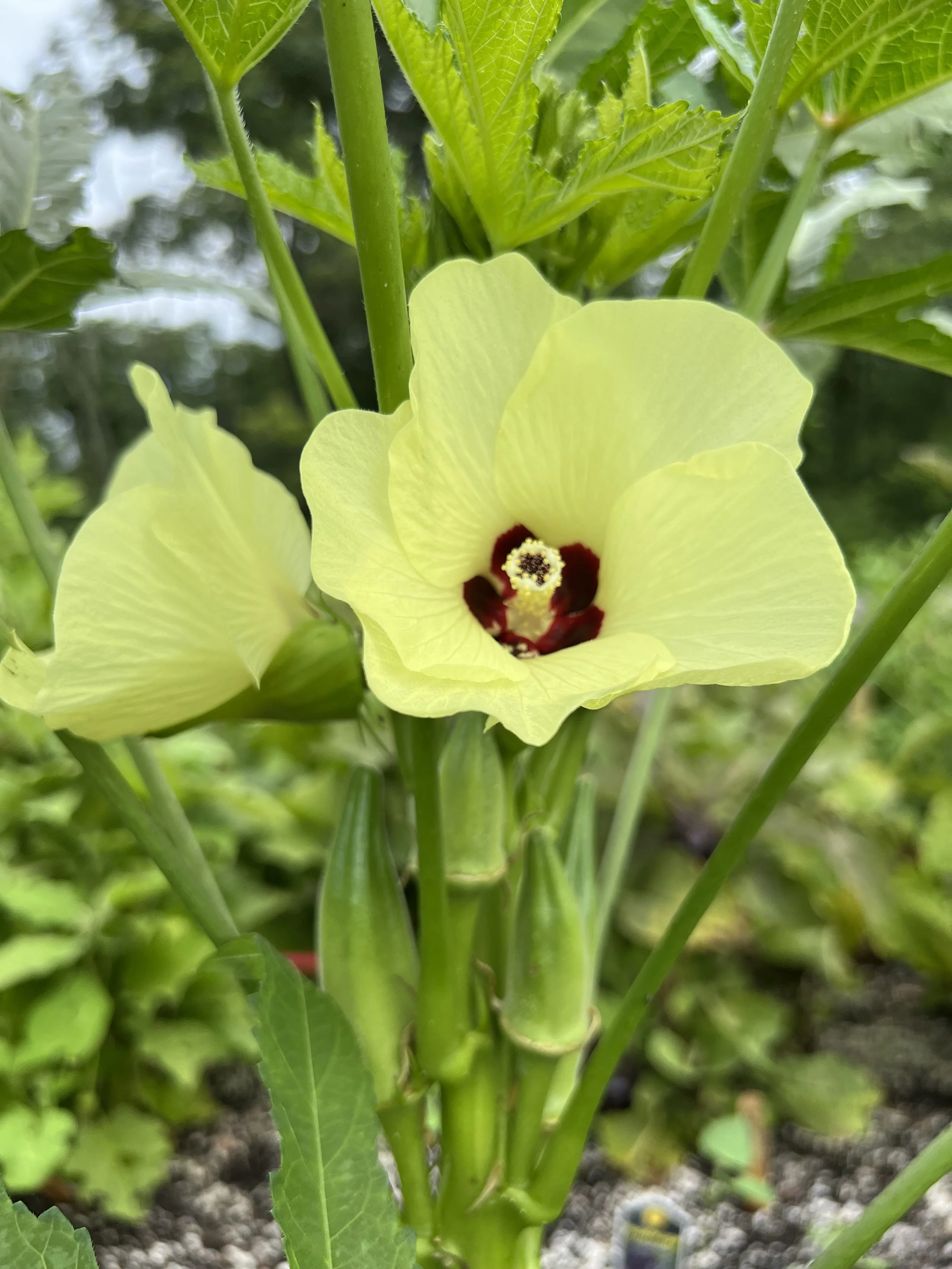
ASSORTED OKRA CULTIVARS: Okra was introduced to the Americas by ships plying the Atlantic slave trade by 1658, when its presence was recorded in Brazil. Okra grows best in HOT temperatures between 75 - 90 °F. When planting okra check to make sure the soil temperature is warm enough so that seeds germinate and begin to grow, as cool soils can lead to slow growth and seedling diseases. The optimum soil temperature for seed germination lies somewhere between 70 to 95 °F, so gardeners will want to check the soil temperature at a depth of 4 inches before planting. If soil temperatures are less than 65 °F, at a soil depth of 4” WAIT until soil temperatures are warmer. The crop can be grown on all soil types, although sandy loam soils high in organic matter are the most desirable. Plant in full sun for best productivity.
Sun: Full sun (6+ hours) for best growth and yield
Soil: Adaptable to most soils; prefers well-drained sandy loam rich in organic matter
Water: Moderate; keep evenly moist, especially during flowering and pod development
When to Direct Sow: Late spring to early summer, once soil is fully warmed
Soil Temperature: Ideal germination between 70–95°F (wait if below 65°F at 4" depth)
Planting: Direct sow seeds ½–1 inch deep after danger of frost has passed
Spacing: 12–18 inches apart for good airflow and strong plants
Heat Tolerance: Thrives in high heat (75–90°F+); growth improves as temperatures rise
Garden Benefit: Productive, drought-tolerant once established, and highly ornamental
Harvest Tip: Pick pods young and tender (2–4 inches) to keep plants producing
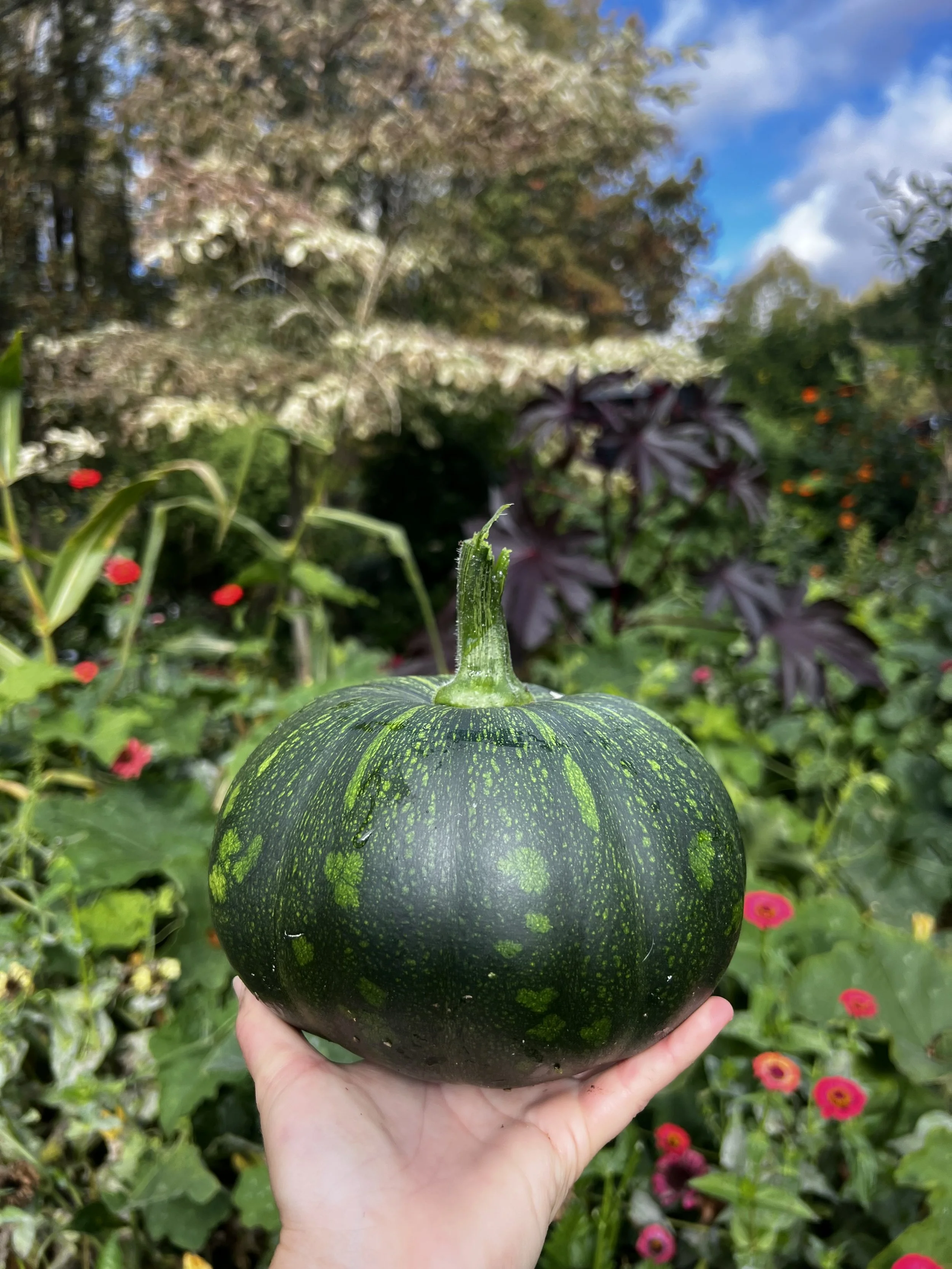
SEMINOLE PUMPKIN: Cucurbita moschata is a vigorous, heat-loving heirloom grown as much for its beautiful foliage as its reliable harvest. The large, trailing vines create a lush green carpet that softens the garden and acts like a living mulch, making it ideal for covering bare ground or weaving through ornamental beds. Its foliage stays attractive deep into the season, holding up far better than most squash in humid climates.
Given to me by the Florida Master Gardeners in 2020, this remarkable squash was stewarded for generations by the Indigenous Seminole tribe of Florida, selected for its ability to thrive in heat, humidity, and challenging growing conditions. Unlike many modern squash, Seminole pumpkin has excellent resistance to powdery mildew and is notably tolerant of squash vine borers, two of the biggest challenges for summer squash in the Southeast. That resilience makes it one of the most dependable options for low-maintenance, organic gardens.
Sun: Full sun for best growth and dense foliage
Soil: Well-drained soil with moderate organic matter
Water: Moderate; consistent moisture supports vigorous vines
When to Sow: Direct sow after last frost once soil is warm
Planting: Sow seeds about 1 inch deep in mounds or open beds
Spacing: Allow 6–10 feet for sprawling vines or train vertically
Heat Tolerance: Exceptional; thrives in hot, humid conditions
Garden Benefit: Dense foliage suppresses weeds and protects soil
Pest & Disease Resistance: Strong resistance to powdery mildew and squash vine borers
Harvest Tip: Pick young for tender eating or allow to mature for storage
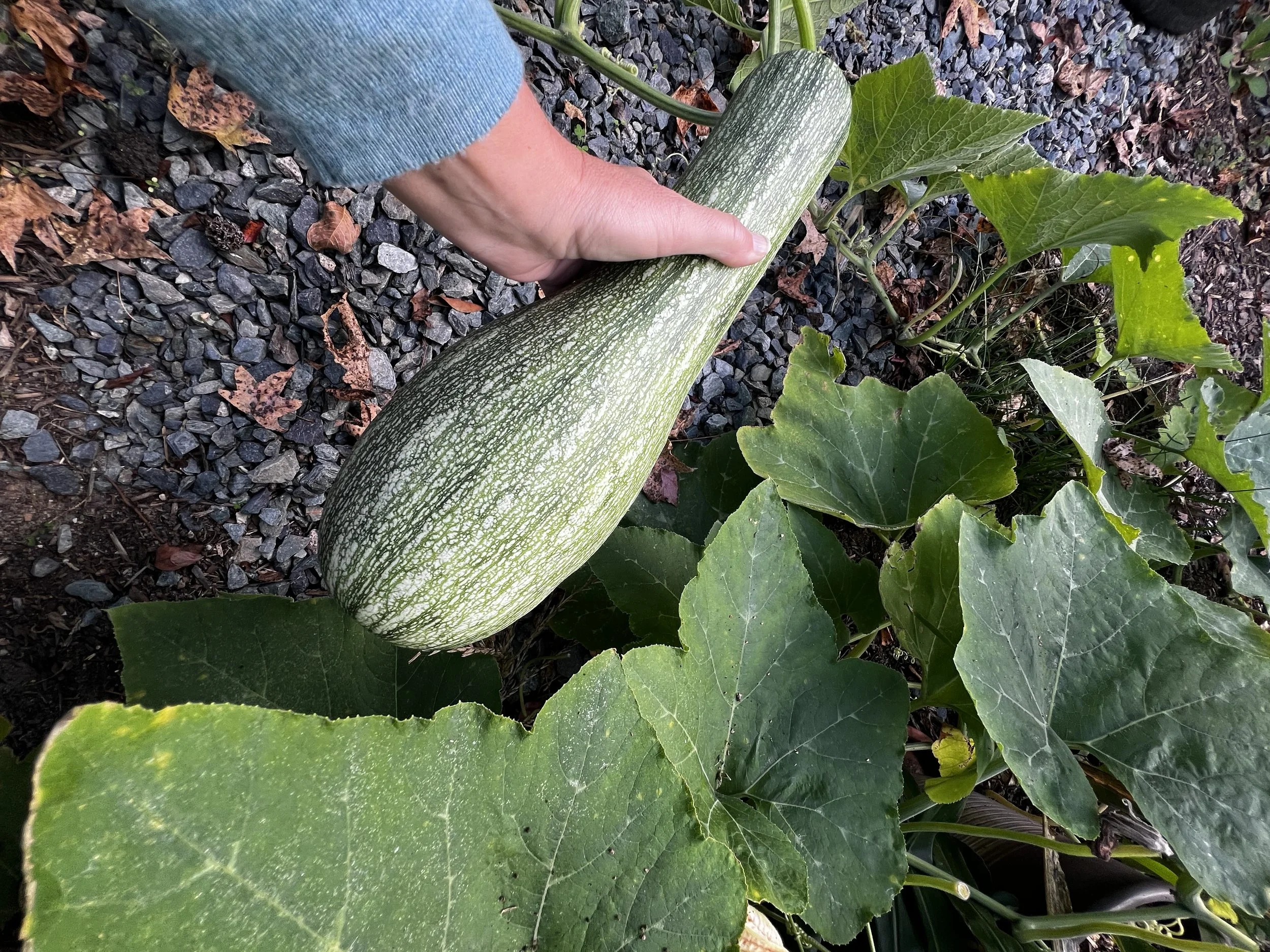
Cushaw Squash: Cucurbita argyrosperma is a vigorous, warm-season heirloom known for its sprawling vines, attractive foliage, and reliable production. Often grown as both a food crop and a groundcover, cushaw brings beauty and function to the garden with its ability to quickly fill space and suppress weeds. Gardeners especially appreciate its strong resistance to squash vine borer, making it a dependable choice for low-maintenance, high-impact plantings that will be full of harvests, especially in the autumn.
Cushaw squash has deep roots in North American agriculture, cultivated for centuries by Indigenous peoples and later widely grown throughout the American South. It became a staple due to its adaptability, storage potential, and resilience in challenging growing conditions. Unlike many modern squash varieties, cushaw has retained excellent tolerance to pests and diseases, making it especially valuable in organic and home garden settings.
Sun: Full sun for best growth and fruit production
Soil: Well-drained soil enriched with organic matter
Water: Moderate to high; consistent moisture supports vigorous vines
When to Sow: Direct sow after last frost once soil is warm
Planting: Sow seeds 1 inch deep in mounds or open beds
Spacing: Allow 4–6 feet between plants due to vigorous spread
Heat Tolerance: Excellent; thrives in hot summer conditions
Garden Benefit: Acts as living mulch, suppressing weeds and shading soil
Pest & Disease Resistance: Resistant to squash vine borers and common diseases
Harvest Tip: Harvest mature fruits in fall store for months in frost free conditions
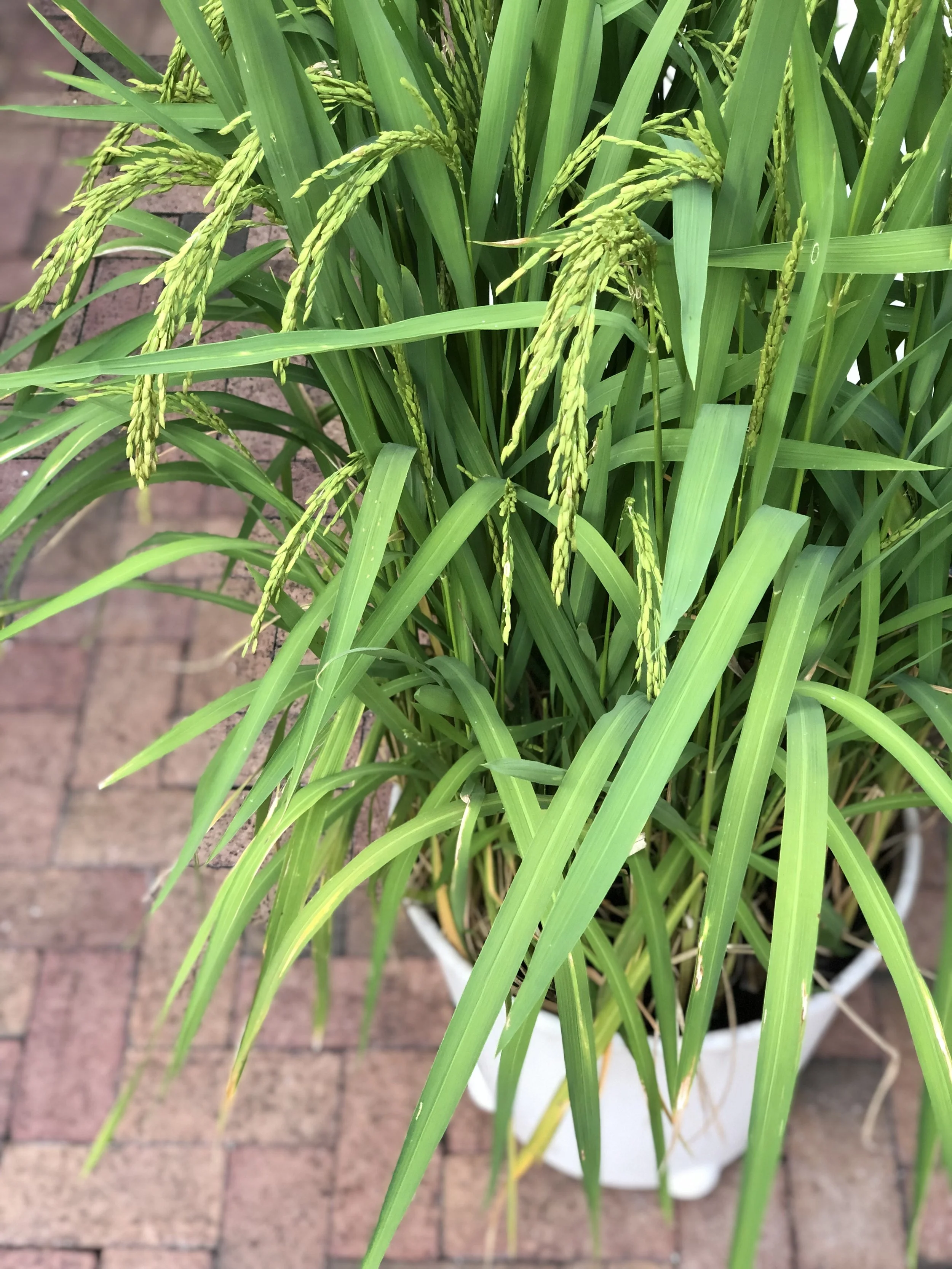
REX RICE: Oryza sativa is probably the most “shocking” plant you can grow through the summer season. Every visitor is always fascinated when they see rice growing in pots right on my back porch or driveway! Grow rice in a pot with no drainage holes for the easiest experience. No, you won’t grow enough to never buy it from the store, but you will have an authentic experience and inspire others! The variety ‘Rex’ typically matures in 75 days with an abundance of seed.
Rice grows best in wet conditions, hence my recommendation for growing in a pot with no drainage holes. It also is best for FULL SUN, which is why I often have my rice pots situated in my driveway. Remember, rice is a tropical plant that thrives in heat. No need to plant early- nights below 40 will cause injury. I always wait to direct seed my rice in pots until mid-May- the end of June!
When planted in early June by directly scattering the seed in a container (no transplanting needed) you can expect to see flowers by mid- late August. The seed will mature over a period of weeks and can be harvested for ornamentation, de-hulled and processed for eating, and left to feed local birds.
Sun: Full sun for best growth and grain production
Soil: Rich soil or potting mix; tolerates heavy, water-retentive conditions
Water: High; keep consistently saturated or submerged
When to Sow: Start in late spring once temperatures are consistently warm
Planting: Sow seeds directly or transplant seedlings into final growing space
Spacing: 6–8 inches apart in beds or cluster plant in containers
Heat Tolerance: Excellent; thrives in hot, humid conditions
Garden Benefit: Unique edible crop with beautiful texture and movement
Container Growing: Ideal for pots without drainage holes. Simply fill with soil and maintain a shallow layer of standing water (1–3 inches) throughout the growing season
Harvest Tip: Harvest when seed heads turn golden and begin to dry
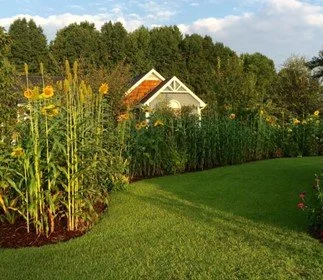
SORHGUM: Sorghum bicolor is a warm-season annual grass that brings height, movement, and resilience to summer gardens. It has long been a favorite for its exceptional heat and drought tolerance, thriving when many other plants struggle. With a range of open-pollinated varieties, sorghum offers beautiful diversity in form, though mature size and color of seed heads can vary adding to its charm. As the seed heads ripen, they become a magnet for birds, turning your garden into a lively habitat.
Sorghum is native to northeastern Africa, particularly regions of modern-day Sudan and Ethiopia, and has been cultivated for over 5,000 years. It spread across Africa and into Asia as a staple grain crop valued for its ability to produce reliable yields in hot, dry climates where other grains fail. Today, it remains an important global crop used for food, animal feed, and even syrup production, while also finding a place in ornamental gardens for its beauty and resilience.
Sun: Full sun for best growth and seed production
Soil: Adaptable; prefers well-drained soil but tolerates poor conditions
Water: Low to moderate; highly drought tolerant once established
When to Sow: Direct sow after last frost once soil is warm
Planting: Sow seeds ½–1 inch deep; easy to plant in rows or blocks
Spacing: 8–12 inches apart depending on desired density
Height: 4–8 feet tall, depending on variety
Heat Tolerance: Exceptional; thrives in hot, dry conditions
Garden Benefit: Adds vertical structure and ornamental grass-like texture
Wildlife Value: Seed heads attract birds as they mature
WHITE SEEDED SESAME: Sesamum indicum also called “Benne” is a tall-growing, annual seeding crop that will achieve 3 to 5 feet in height at maturity. Blooming all summer, like a foxglove, sesame benefits many pollinators including bees and butterflies. After blooming, the Sesame seed pods will provide ample food for passing birds! Yes, you CAN grow your own bird seed, and it is beautiful! Seed production will occur in approximately 90 days after emergence.
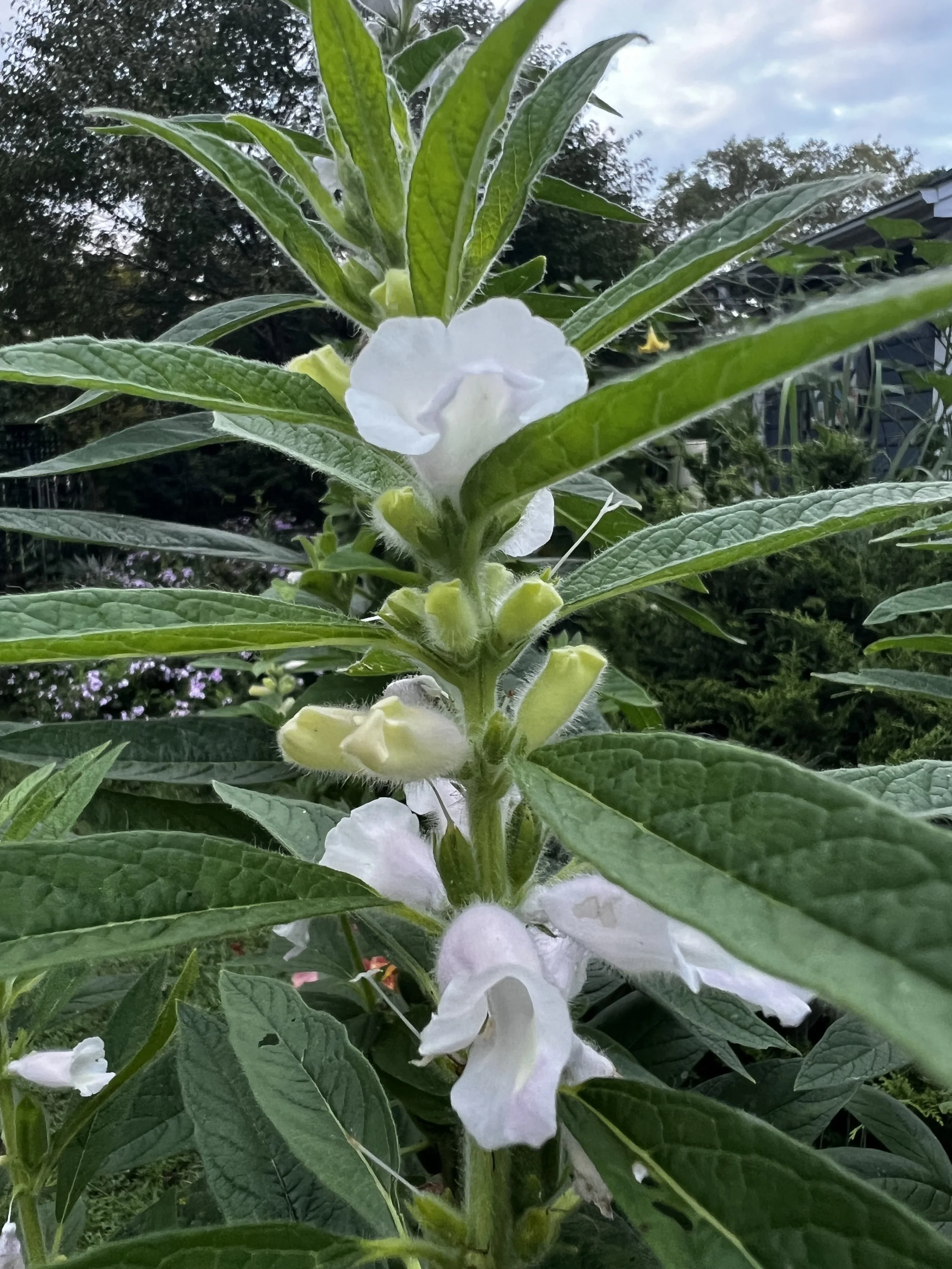
This HEAT and DROUGHT tolerant summer annual is an ideal addition to any sunny landscape and garden. I like to pair it with sunflowers, sorghum, and zinnias to maximize the pollinator activity. I first encountered sesame growing at Monticello and was blown away by its beauty! I’ve grown it ever since and am never disappointed by this low maintenance, easy to grow plant!
Sun: Full sun for best growth and seed production
Soil: Well-drained soil; tolerates average, sandy conditions
Water: Low to moderate; drought tolerant once established
When to Sow: Direct sow in late spring once soil is warm
Planting: Sow seeds ¼ inch deep; lightly cover and water in
Spacing: 6–12 inches apart for upright growth
Heat Tolerance: Excellent; thrives in hot, dry conditions
Garden Benefit: Edible seeds plus ornamental flowers and structure
Harvest Tip: Allow seed pods to dry on the plant, then cut and collect before they shatter
Maintenance: Minimal; avoid overwatering or overly rich soils