
Growing Castanopsis

Growing Castanopsis

Castanposis sclerophylla is commonly referred to as “chinquapin” . This evergreen tree is part of the beech family, Fagaceae. There are 120 species within the genus Castanopsis, primarily reigning from tropical and subtropical Eastern Asia. From that I assume this is best grown in zones 7-10.

I’ve only grown 2 species: Castanopsis delavayi and C. sclerophylla, shown here. Both are planted at the JC Raulston Arboretum, which is where I think I got the seed from.

Growing Lycoris

Growing Lycoris

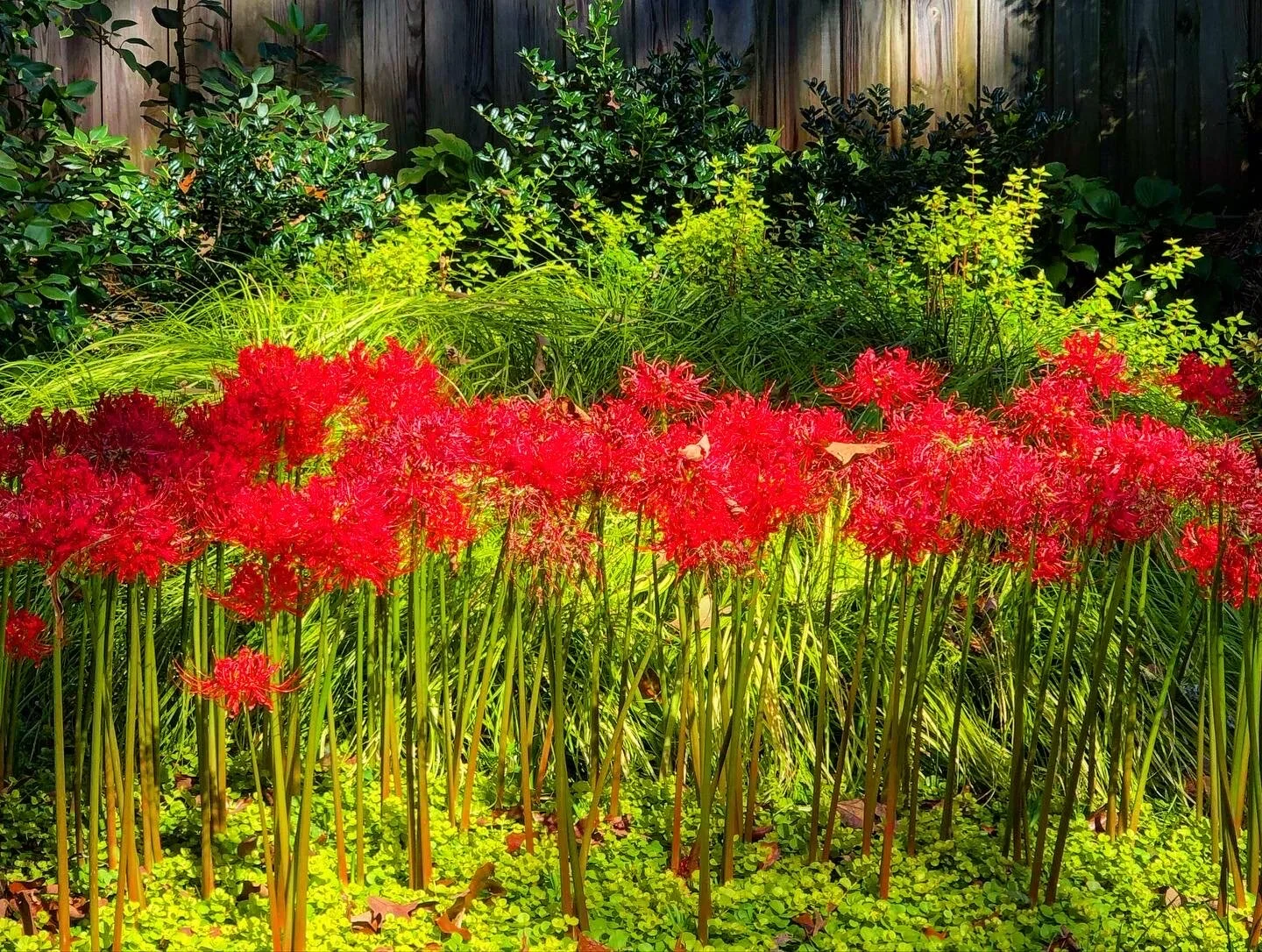
Lycoris radiata is commonly known as the red spider lily, equinox flower, or naked ladies. It is a winter active bulb in the amaryllis family, Amaryllidaceae.

One of about 22 species, Lycoris radiata is likely the most common to adorn old homesteads throughout the Southern US.

Growing Cuphea

Growing Cuphea

The many Cuphea species range from low-growing herbaceous plants to semi-woody shrubs that grow upwards of 6’+ tall! Full to part sun is best... I grow most of mine in southern exposure which has provided a microclimate enabling a few tender species to successfully overwinter!

Growing Cyperus

Growing Cyperus

Cyperus papyrus is a water loving herbaceous perennial native to Africa. In its native environment it grows in full sun, in flooded swamps and on lake margins throughout Africa, Madagascar, and the Mediterranean countries. Though most think it is grass, it is actually a sedge, like carex, and is part of the Cyparaceae family.

Growing Brugmansia

Growing Brugmansia

Best grown in sunny areas of Zones 7 and warmer, Brugmansia develop woody stems and can grow into trees, shrubs, or die back perennials depending on where you live. Here they are die back perennials and grow to 8’ tall annually!

The large, pendulous, fragrant flowers give lead to their common name of “Angels Trumpet” which leads to confusion because Datura is also commonly referred to that. Datura have big white blooms and a lower growing habits, though they are both in the nightshade family.

Growing Dawn Redwood

Growing Dawn Redwood

I was first introduced to this tree as an intern, 20 years ago, while weeding out an abundance self sown seedlings. Having no idea of it’s history, my boss asked me to do some research and prepare a plant profile so I’d have a better appreciation for this majestic specimen.

The name Metasequoia, means “like Sequoia” a reference to it’s cousin the redwood. This genus was first described in 1941 from Mesozoic Era fossils which were about 150 million years old.

Growing Tea Olives

Growing Tea Olives

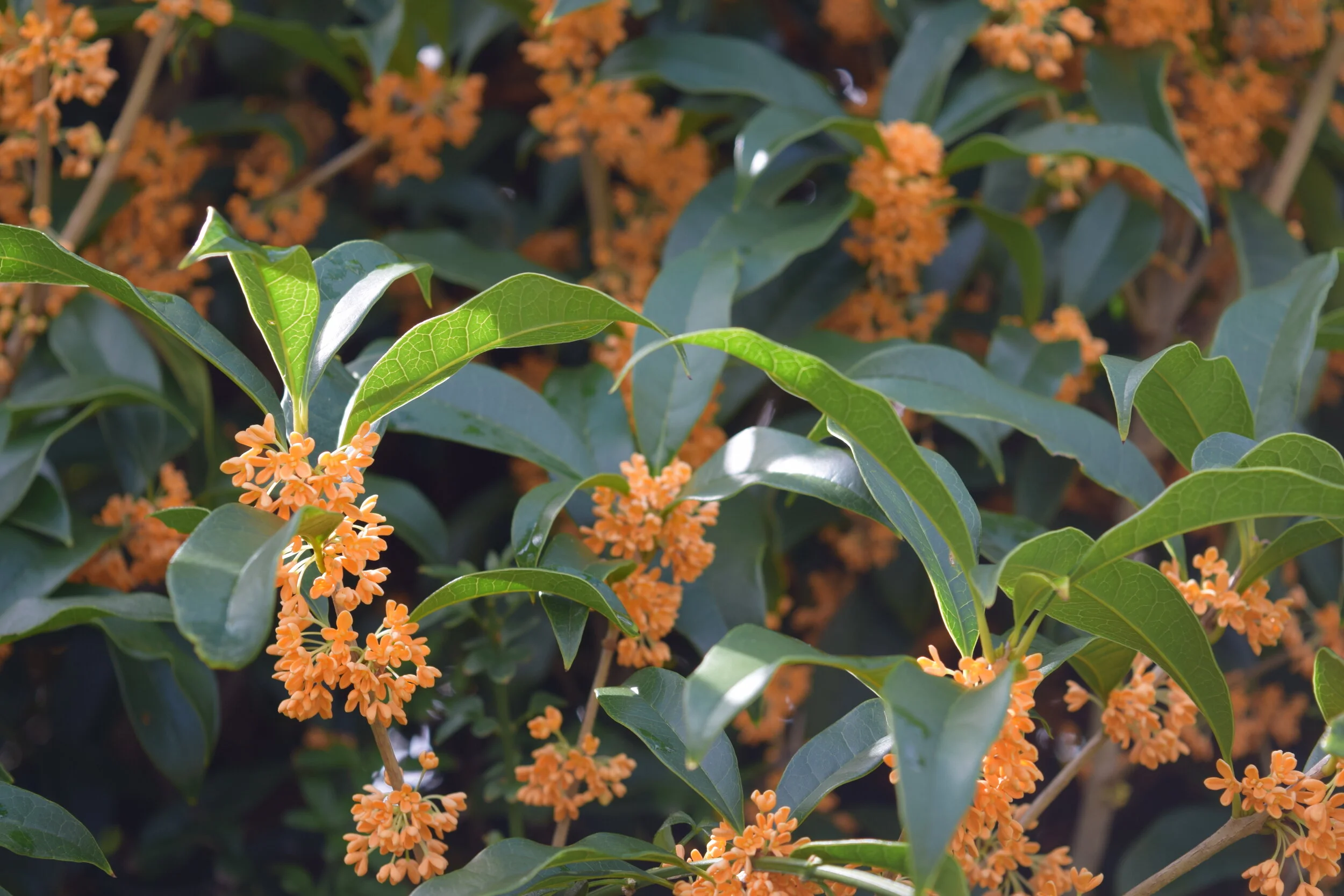
There are “about” 30 different species of Osmanthus, mostly native to Asia. They range in size, habit, flower, and fragrance. I am charmed by all aspects of this genus.

Ten years ago, while working as a propagator specializing in Asian native broadleaf evergreens, I became obsessed with collecting and producing EVERY Osmanthus species and variety that I could find. They root easily from cuttings and are well suited for landscapes in zones 7-9. At one point I had 20+ selections in my home garden! Though a few have died during extreme cold spells, most are thriving... and starting to remind me of the benefits of short days!

Growing Sesame

Growing Sesame

Have you ever grown sesame?

Probably the most underutilized plant of this era, sesame is hands down my favorite summer annual. I first saw this planted at Monticello and was immediately fascinated. I had never seen sesame before; in fact, I don’t think I had ever thought about sesame as a plant. It was just that seed on hamburger buns. Once I saw it I feel deeply in love and wouldn’t be satisfied until I grew it myself. After all, if Thomas Jefferson thought it was a garden worthy plant, who was I to not follow his lead?

Summer tour of Dr. Denny Werner's garden

Summer tour of Dr. Denny Werner's garden

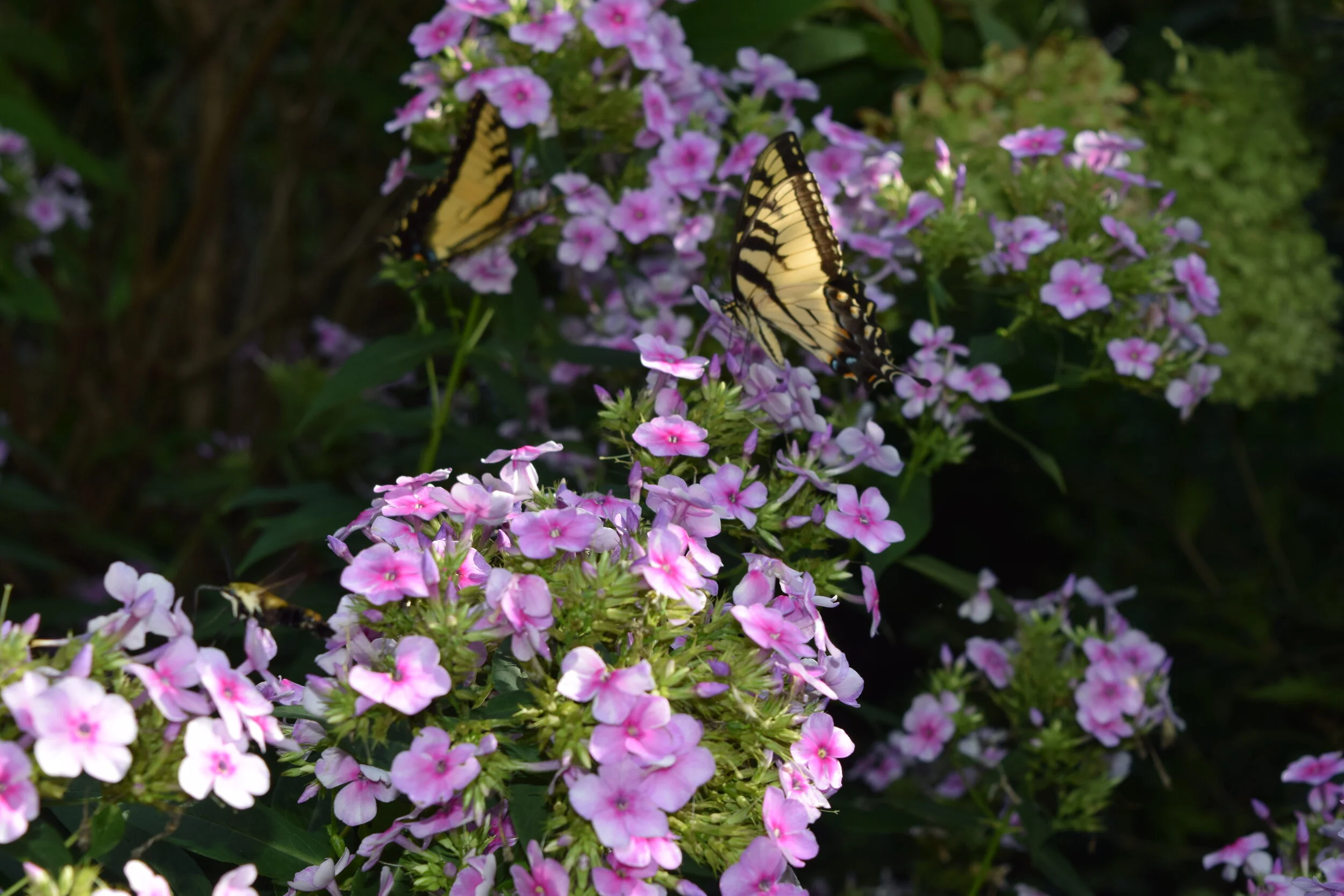
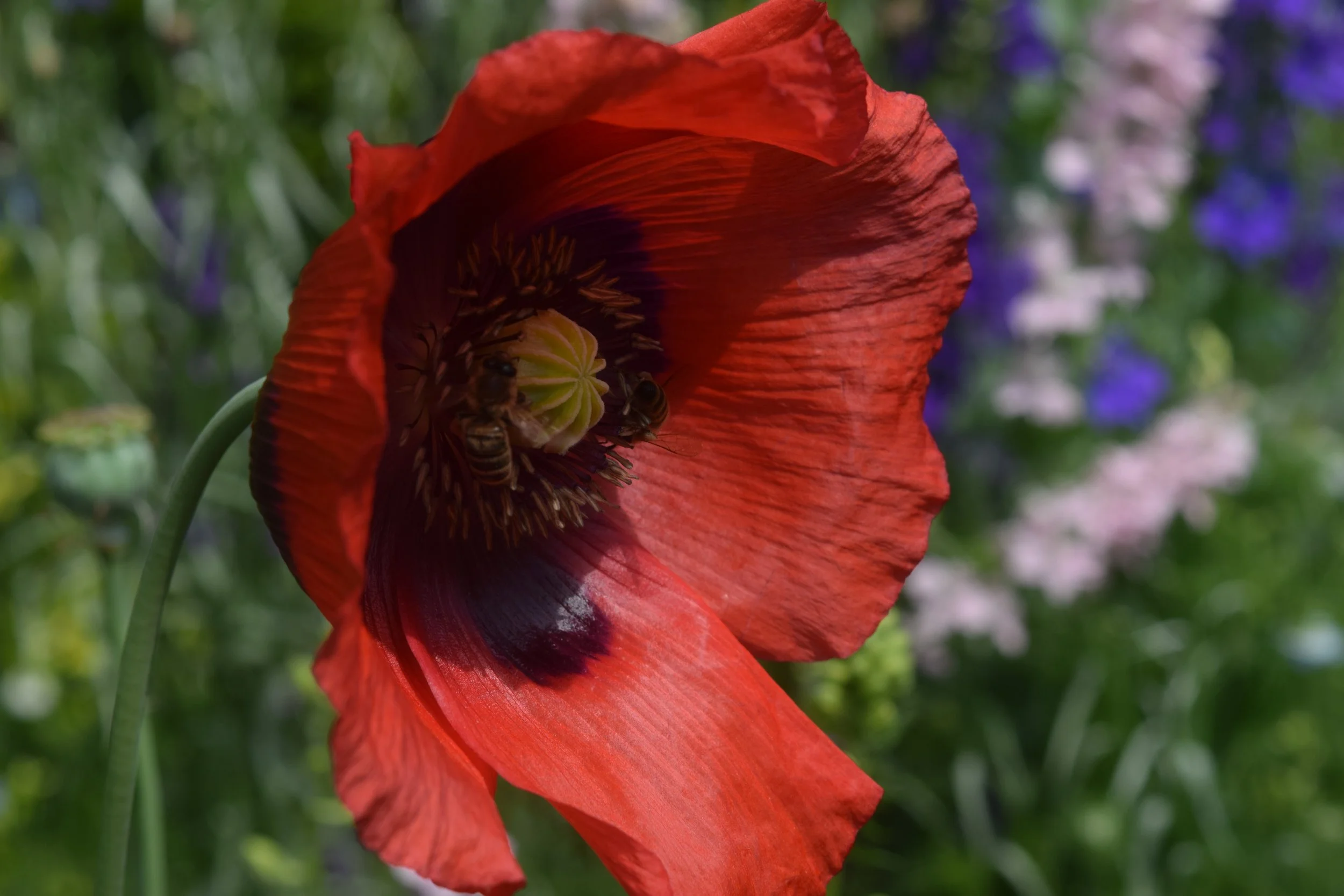
When you think of pollinators, bees are probably first to come to mind. But there are a lot of different creatures who provide this important service. A pollinator is any animal, most often and insect, that carries pollen from the male to the female parts of flowers for reproduction. This process of moving pollen is usually done while creature is feeding and flying from plant to plant.

Sunflowers at Sunset: an escape from the everyday

Sunflowers at Sunset:     an escape from the everyday

Helianthus annuus, also known as sunflowers, is an annual plant with a large daisy-like flower face. It is in the Asteraceae plant family, just like daisies, coneflowers, and other composite type flowers. The scientific name comes from the Greek words helios (“sun”) and anthos (“flower”).

Traditional sunflowers are bright yellow with brown centers that ripen into heavy heads, filled with seeds that birds love! My favorite traditional form is called ‘Mammoth Grey’ as the plants grow tall and the seeds are abundant.