
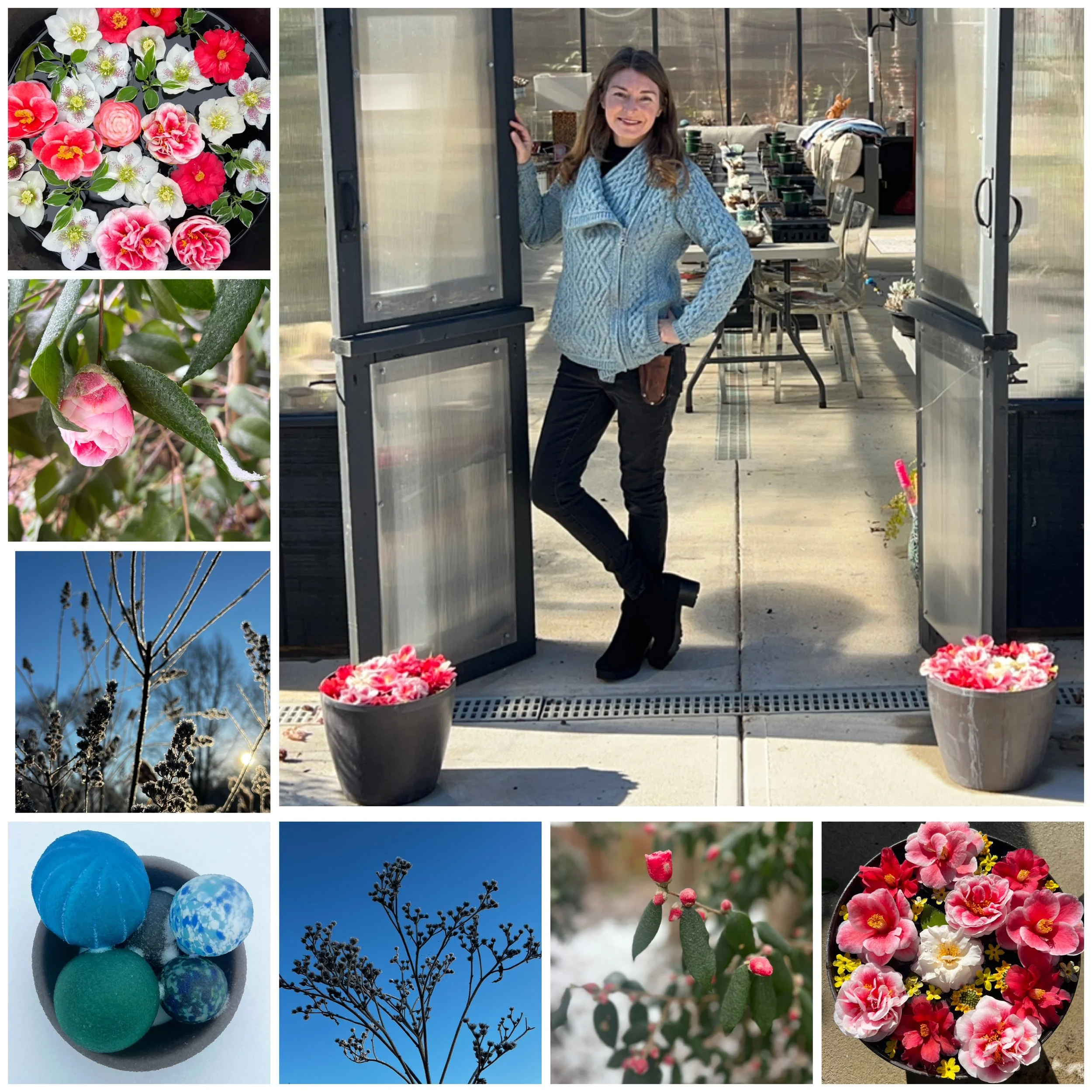
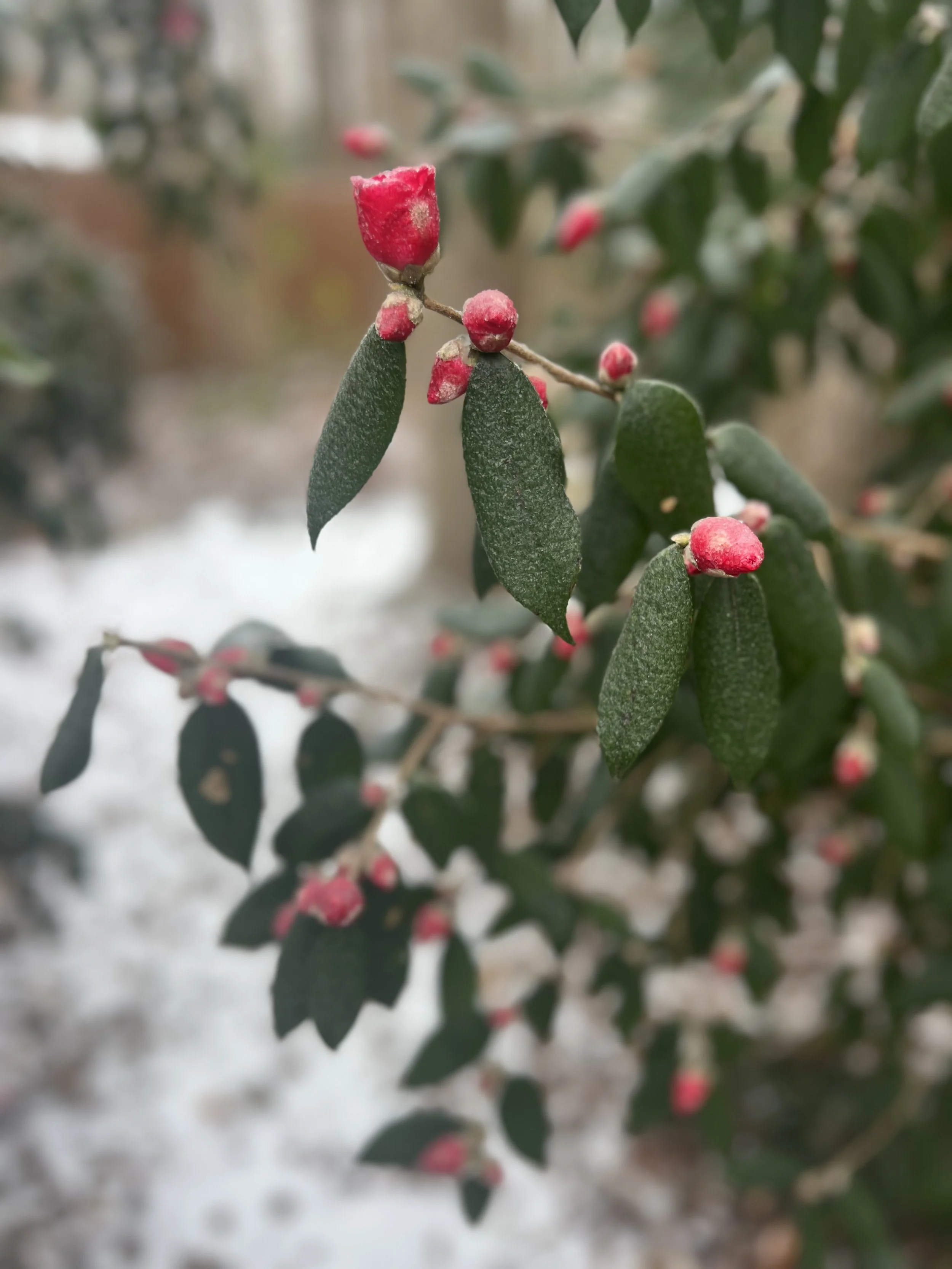
February in North Carolina is a study in contrasts. One day brings bright sun and false-spring optimism; the next delivers freezing rain, wind, or a hard frost that snaps us back to winter reality. In the garden, this is a month of watchfulness more than action. Beds rest, soil temperatures hover on the edge of activity, and gardeners once again learn that timing and restraint matter.
We are living in a time of American history that asks us to pay attention beyond the garden gate and look more critically at what is happening to our society, to our freedoms, and the future that our children face. It is a big responsibility, but one that should not be overlooked.
This winter, weather extremes have collided with something heavier: a growing sense of unease about the direction of our country and the impacts of government overreach on real people and real communities. After traveling and witnessing firsthand the fear and disruption caused by federal enforcement actions in Minneapolis, I’ve been reminded that staying quiet is itself a choice, and not a productive solution.
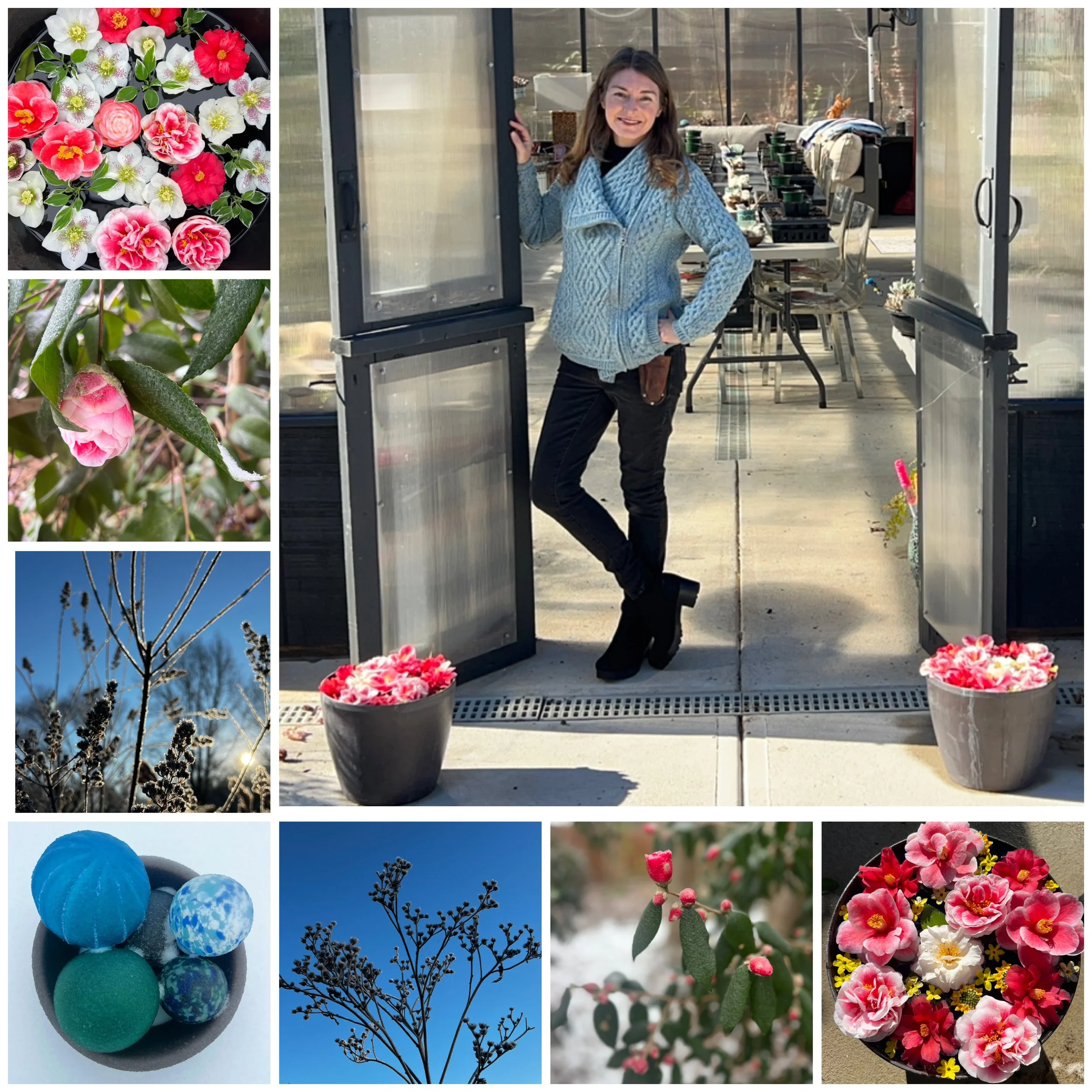
This website is an extension of my work and my lived experience, reflecting my hopes, concerns, and vision for the future of American society and the world. If my opinions are not a fit for you, I respect your choice to find gardening guidance elsewhere.
Gardening, at its core, is about stewardship. In February, that stewardship looks like protecting soil structure by staying off wet beds, topdressing with compost, and resisting the urge to rush spring. It means observing microclimates, noting where cold settles, and planning for resilience rather than perfection. These are quiet acts, but they matter.
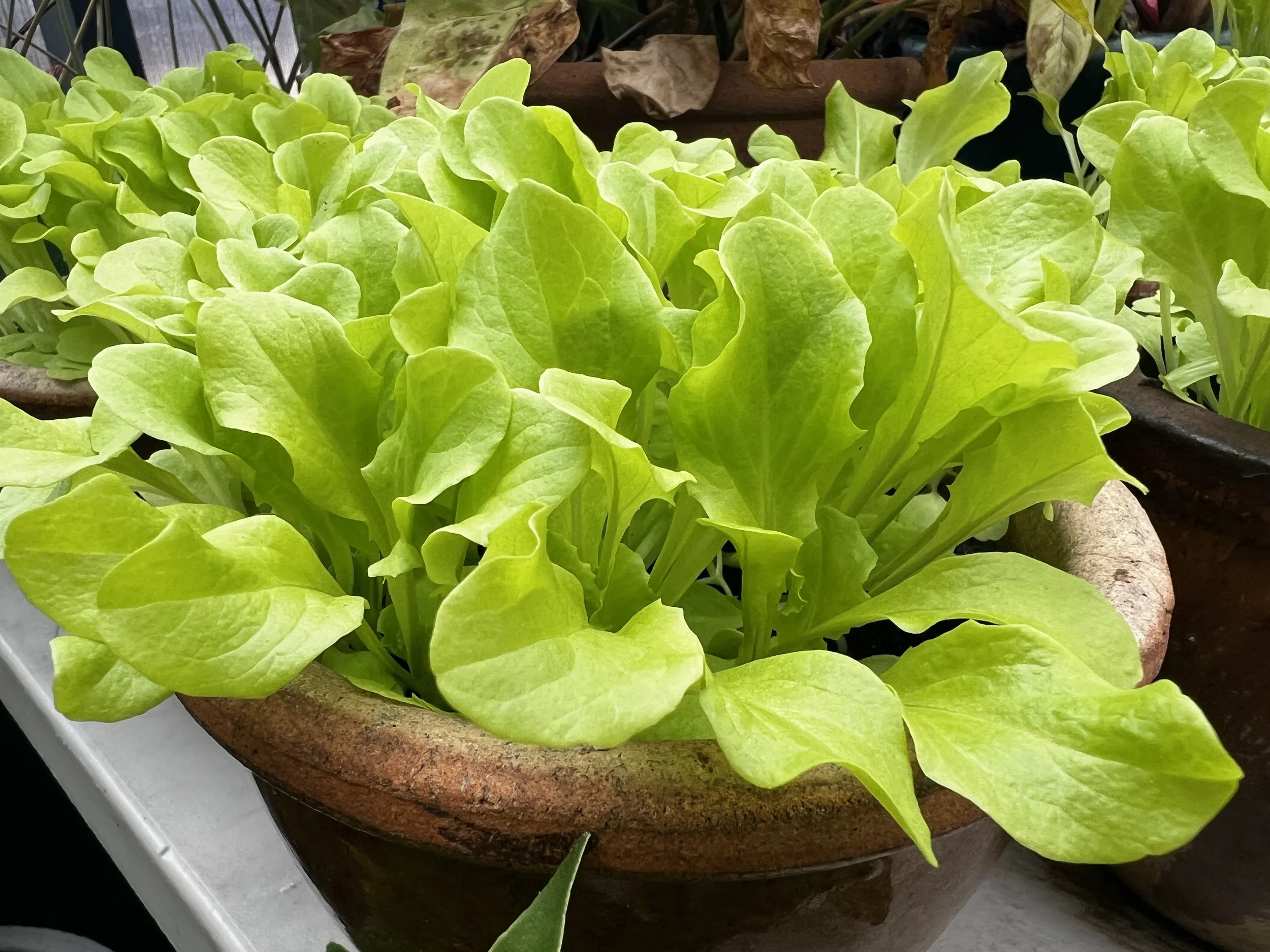
Gardening is also a privilege. The ability to access land, buy seeds, amend soil, and plan months, or years ahead is not universal. When we garden, we are exercising a kind of stability that many people are denied. Acknowledging that reality doesn’t diminish the joy of gardening; it deepens its meaning.
In that way, gardening becomes a political statement. Not in party terms, but in values, which is what America needs now more than ever! Choosing to grow food, to care for soil, to support biodiversity, and to invest in long-term systems is a rejection of extractive, short-sighted thinking. It says that the future matters. That people matter. That tending something living is worth our time and attention, even when the world feels unsettled.
From a practical standpoint, February is the perfect moment to align intention with action. This is the time to assess winter weed pressure, protect emerging seedlings, and prepare for direct seeding of cool season crops and hardy annuals. It’s a month for soil testing, compost planning, and thoughtful pruning. None of these tasks are flashy, but they lay the groundwork for everything that follows.
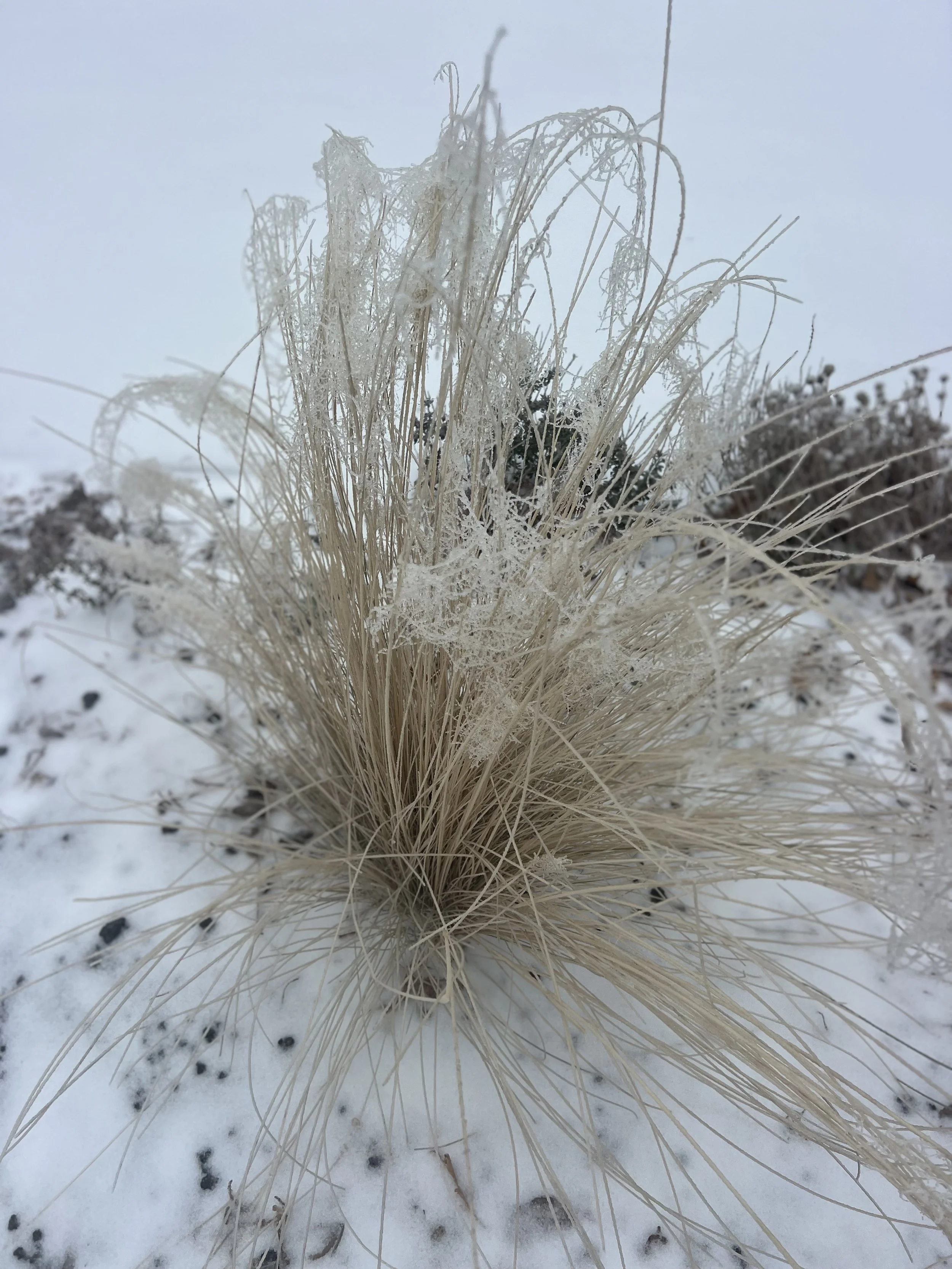
Gardens teach us patience. They remind us that systems take time, that diversity builds resilience, and that neglect always shows up eventually. Those lessons apply far beyond our fences.
As gardeners, we have both the privilege and the responsibility to care, not just for plants, but for the future we are actively shaping. Paying attention is part of that work. So is choosing to grow anyway.
In February, when growth is mostly invisible, it helps to remember: the most important changes are often happening below the surface.
Join us for a celebration of art, gratitude, horticulture, and science for Valentine’s in the Greenhouse.